Garbo on the Air – Sort Of

The 1930s and 40s are known collectively as the Golden Age of Radio for several reasons. Among them is the fact that virtually every major Hollywood film star appeared on radio broadcasts. A few, such as Bing Crosby and Edward G. Robinson, starred on their own weekly shows. During the Second World War (1939-1945) even the few holdouts among the movie stars joined in to boost morale. Perhaps the only major star who never broadcast was the reclusive Greta Garbo. Her voice would be heard via radio only when it was lifted from her movie soundtracks and broadcast to promote her films.

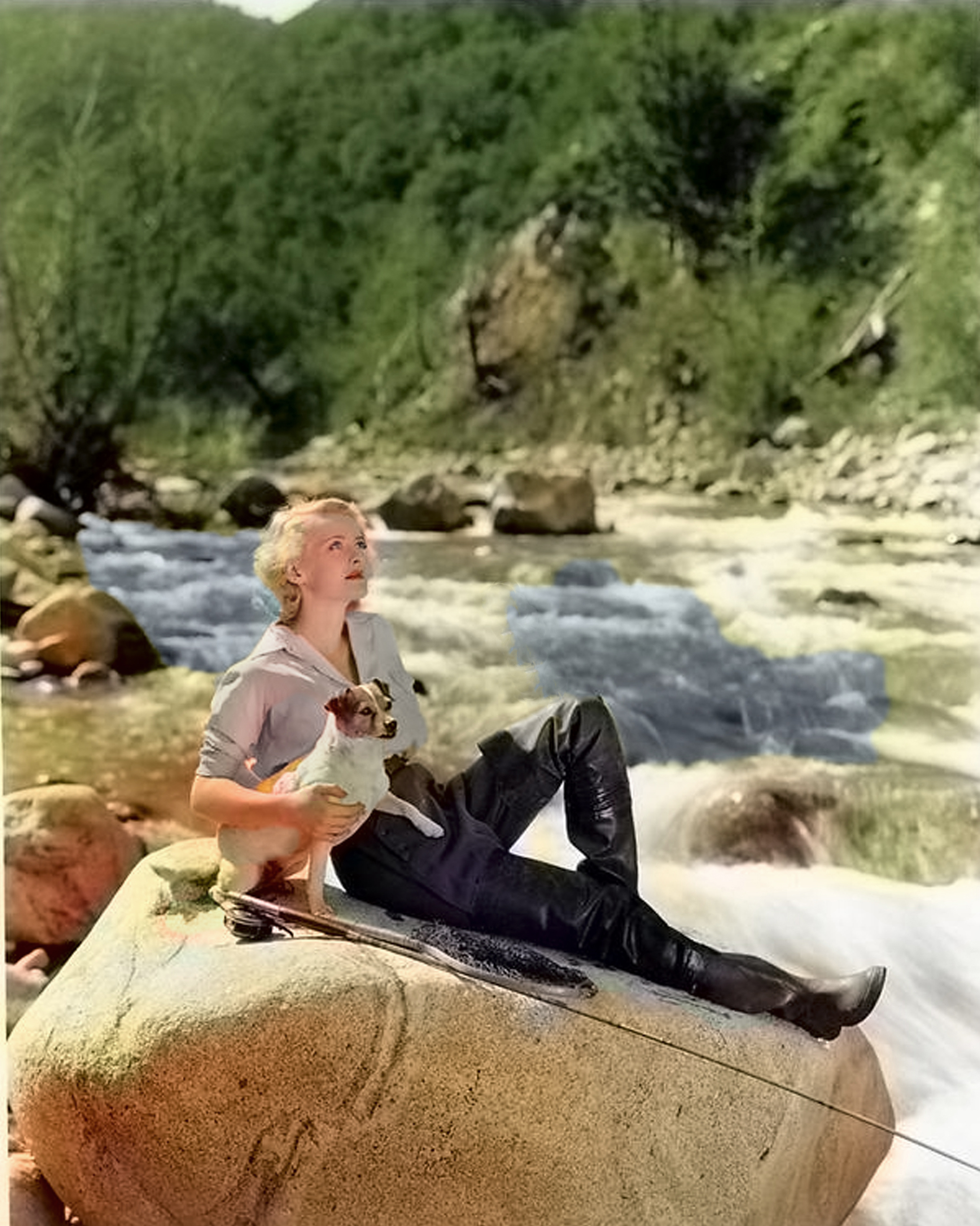
Of course, the Divine Garbo never appeared in a color film either, but we can rectify both her colorless image and her absence from radio here at OLD HOLLYWOOD IN COLOR. First, the radio broadcast: “Garbo Laughs” was the ad line on her 1939 hit film, NINOTCHKA, directed by Ernst Lubitsch. The following year, radio’s Screen Guild Theater broadcast an adaptation starring Spencer Tracy in the role played by Melvyn Douglas on the screen, and Rosalind Russell playing Garbo’s role, the title character. Roz Russell was a versatile actress who became even more accomplished in her later years. But tackling a role so recently impressed in everybody’s mind by Garbo herself seemed risky if not foolhardy, even on radio.

But Roz surprised everyone by not merely giving a believable performance as the cynical Soviet operative, but by pulling off a dead-on impersonation of Garbo herself. Anyone tuning in late to the show would have sworn they were listening to Garbo in person. Here then is the closest that OHIC believes we will ever come to hearing the Divine Garbo on radio, courtesy of Rosalind Russell.

Click the Play arrow below to hear the complete half-hour live show, NINOTCHKA, on Screen Guild Theater, exactly as broadcast on April 21, 1940, starring Spencer Tracy and Rosalind Russell as “Garbo.”

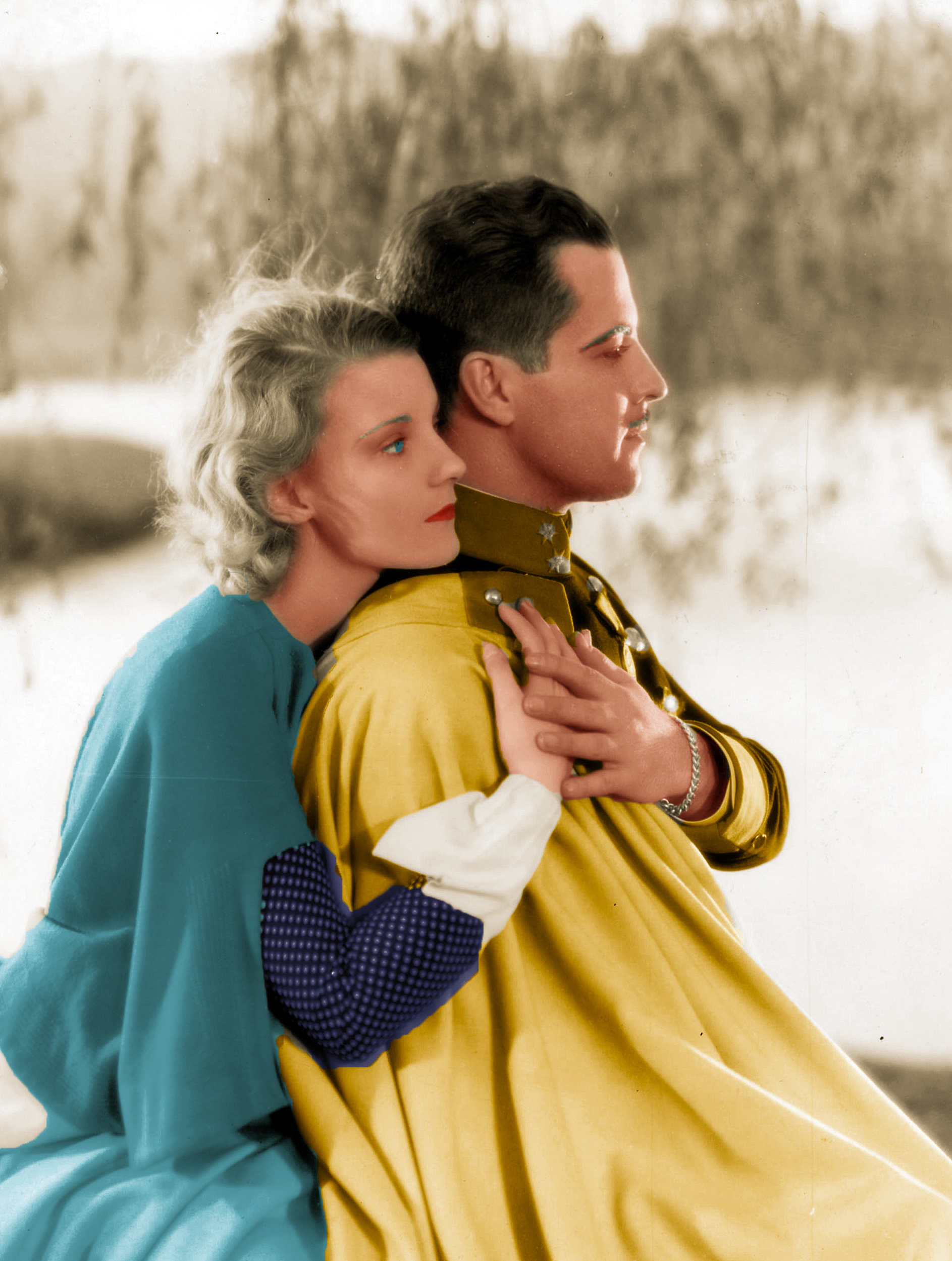
While you’re listening, these color transfers may be of interest. Garbo’s first American film was TORRENT (1926) and is available today on dvd:

With Lucy Beaumont

A late 1920s portrait in the then-typical soft focus:

An iconic photo of Garbo and her offscreen lover John Gilbert in FLESH AND THE DEVIL (1927):

An unusually modernistic poster design for 1928:
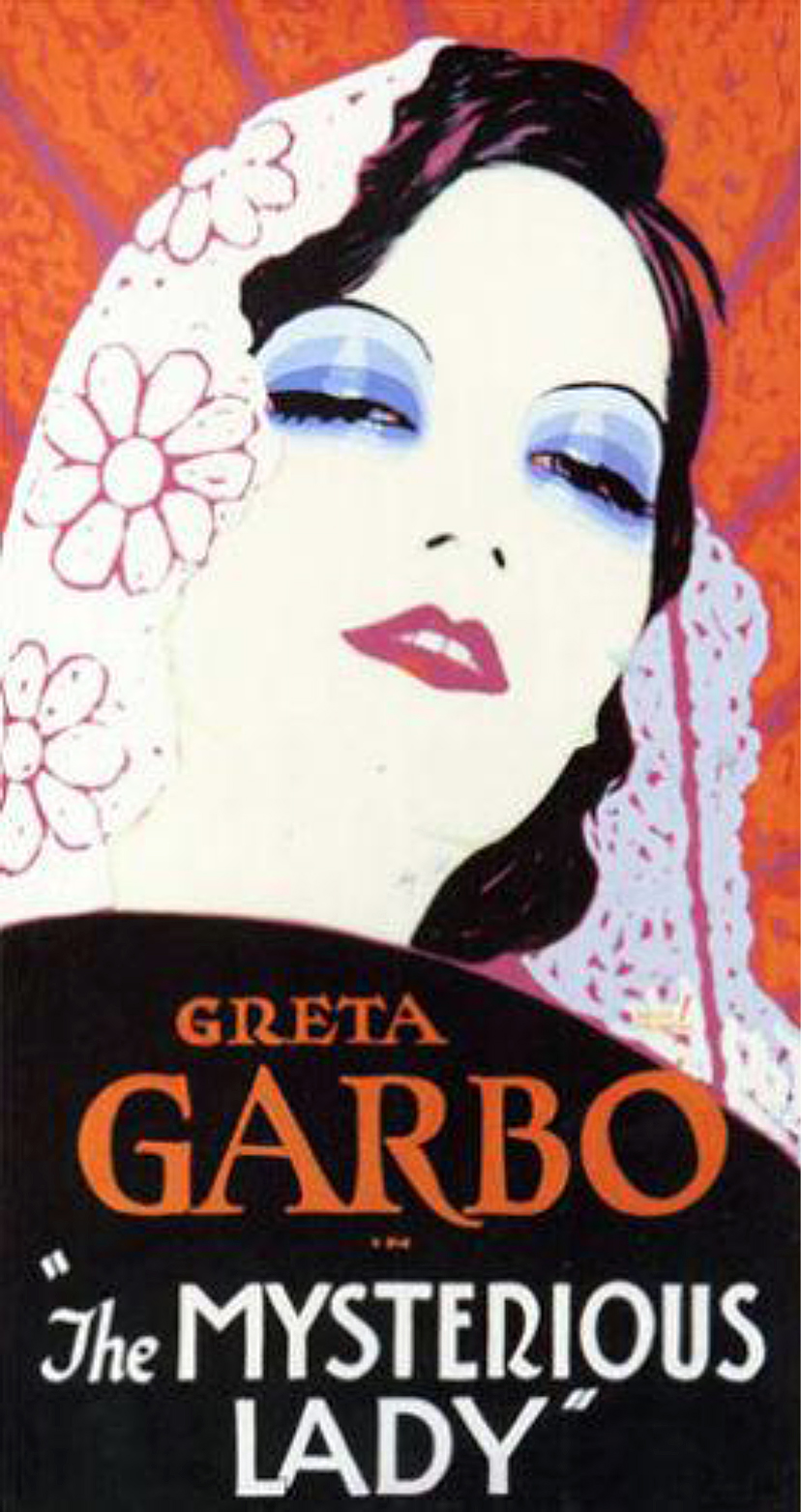
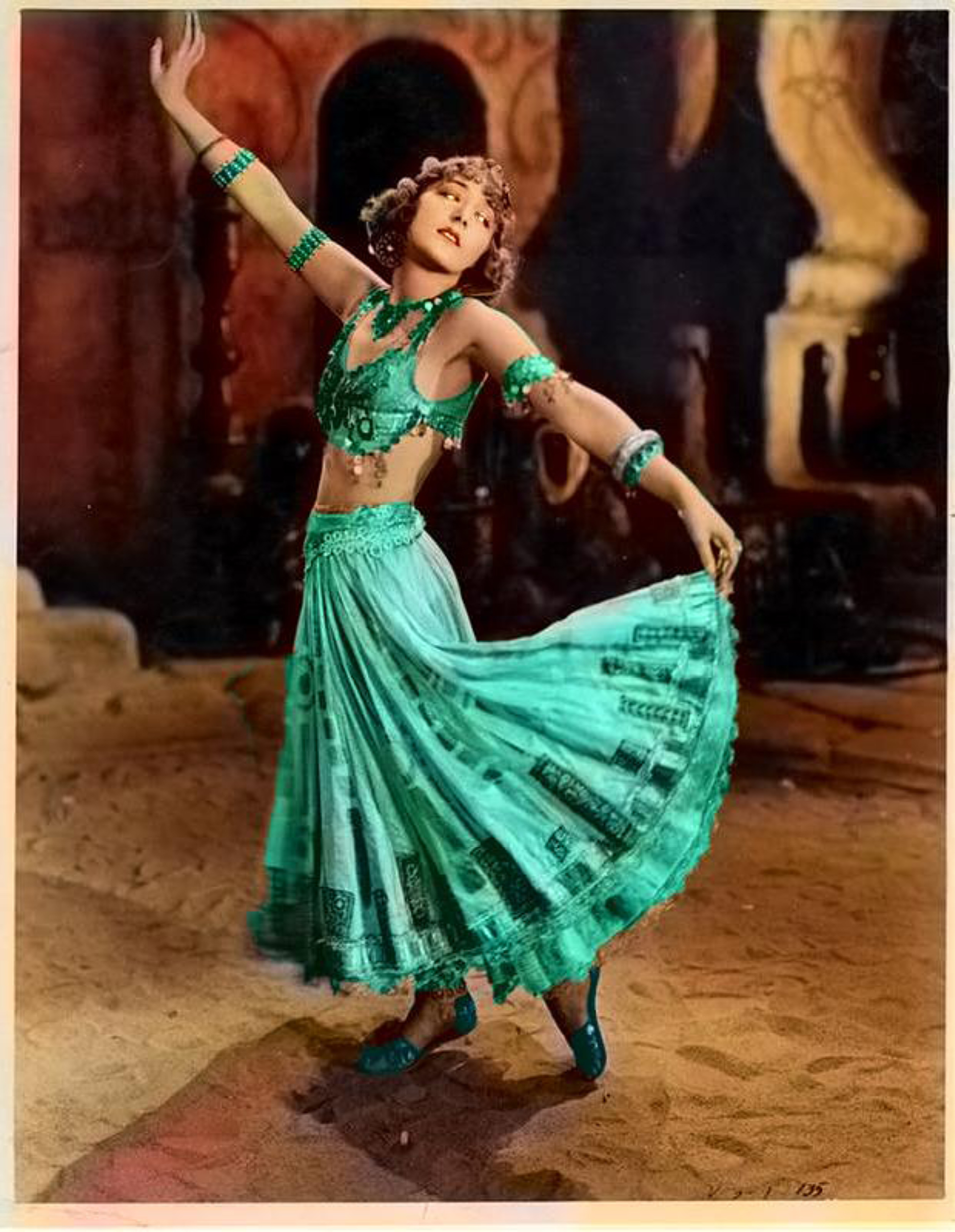
An exotic Garbo in Java with Nils Asther in WILD ORCHIDS (1929):

And a decade later in NINOTCHKA (1939):

An original color poster

Spencer Tracy made his first color appearance in the glorious Technicolor outdoors epic of 1940, NORTHWEST PASSAGE. He would not appear in color again until the 1950s:

An original color poster

April 1st is Lon Chaney’s Birthday – No Foolin’

I haven’t done the math but today is the natal anniversary of Lon Chaney’s birth in 1883. The occasion gives us a good reason to take a look at a few more of Chaney’s 1,000 Faces.

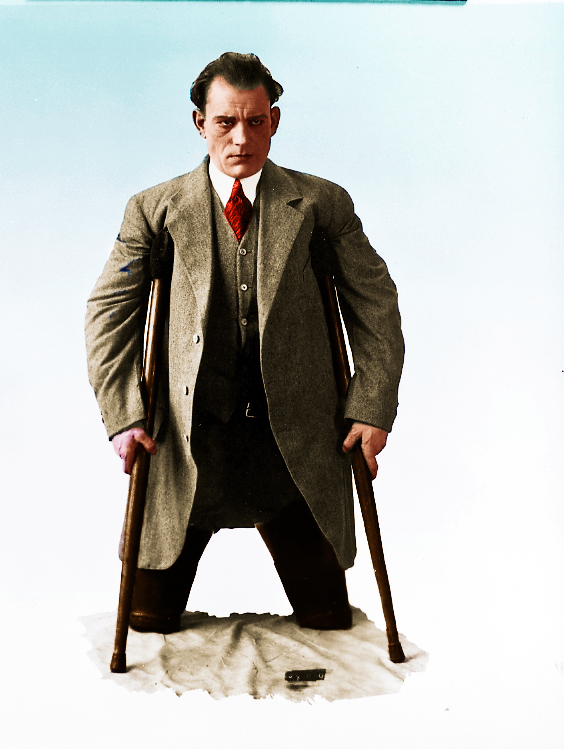
THE PENALTY (1920) – Lon’s “legs” and coat are now in the Los Angeles Museum of Natural History:

OUTSIDE THE LAW (1923):

THE TRAP (1922):

THE TRAP, again, and the same character now in anguish:

HE WHO GETS SLAPPED (1924) with Norma Shearer:

As another clown in LAUGH CLOWN LAUGH (1928):

WEST OF ZANZIBAR (1928):

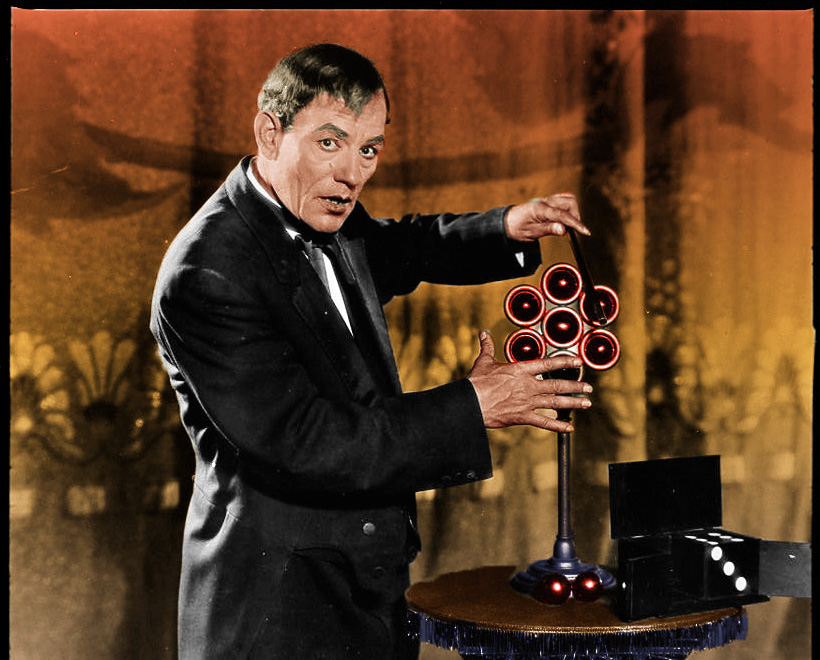
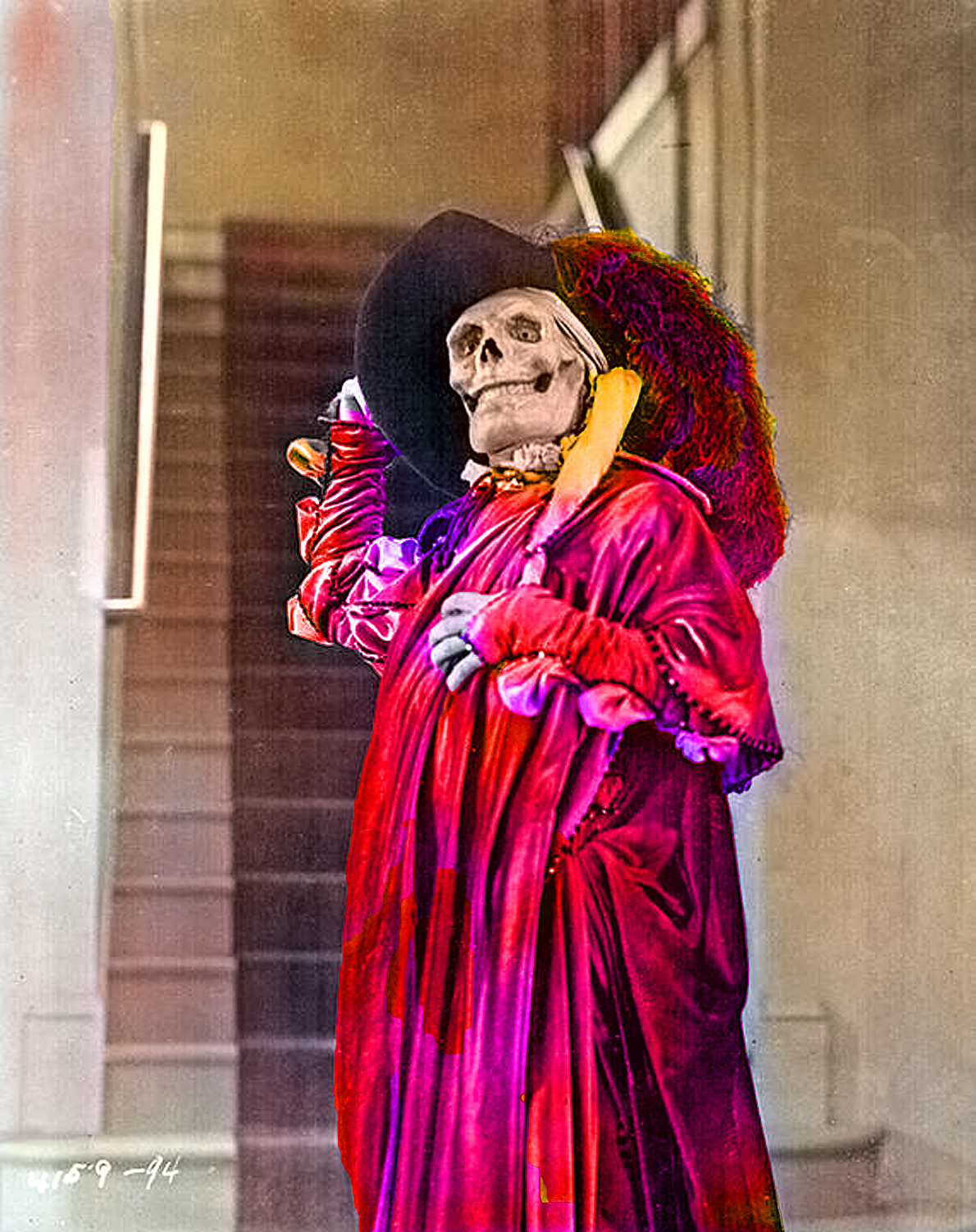
I’d better include at least one photo from THE PHANTOM OF THE OPERA (1925):

LONDON AFTER MIDNIGHT (1927), perhaps the most famous “lost” American film:

Happy Birthday, Lon!

Old Hollywood in Color Surpasses 10,000 Visits!!!

“Gosh, Miss Norma, you haven’t gotten this dressed up since we broke 5,000 hits.”

Norma Shearer in the lost film, EMPTY HANDS (1924).

“You see, Jack, I told you our blog passed 10,000 visits.”

Louis Wolheim and John Barrymore in TEMPEST (1928).

“Remember your promise to me if we broke 10,000 hits?”

Mary Philbin and Arthur Edmund Carewe in THE PHANTOM OF THE OPERA (1925).

“This is even better than my wedding day!”

Mary Astor in the lost film THE SCARLET SAINT (1925).

“And I told them that they’d be lucky to get 100 hits.”

Director, writer, actor Erich von Stroheim, circa 1922.

“Conny, I think this wig has almost as many curls as our blog has had hits.”

Makeup artist Jack Pierce and Conrad Veidt on the set of THE MAN WHO LAUGHS (1928).

Published in: on March 23, 2012 at 1:56 PM  Leave a Comment  

Let’s Make it 10,000 Hits

Your blogmeister has asked some good friends of this site to rally the troops to break 10,000 hits sooner than later. Herewith are friends of OHIC:

“Come on, fellas, help make me a star”

Joan Crawford 1928

“Confucius say, ‘One who visit this site is colorful.'”

Lon Chaney as MR. WU (1927)

“But John, you might become the the 10,000th visitor”

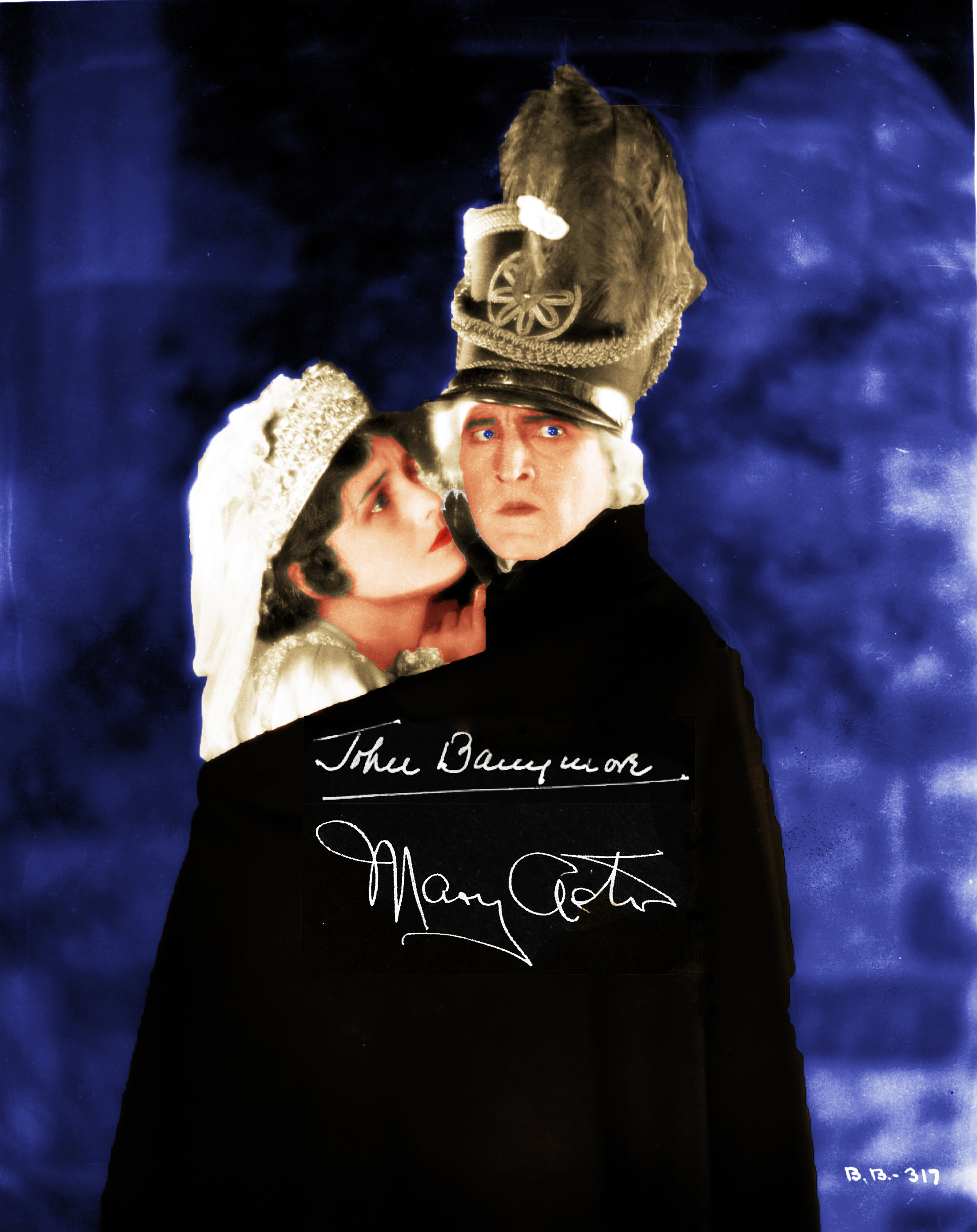
Mary Astor and John Barrymore in BEAU BRUMMEL (1924)

“Don’t force me to become unpleasant”

Conrad Veidt in CASABLANCA (1942)

“Don’t despair mother, we’ll break 10,000 any day now”

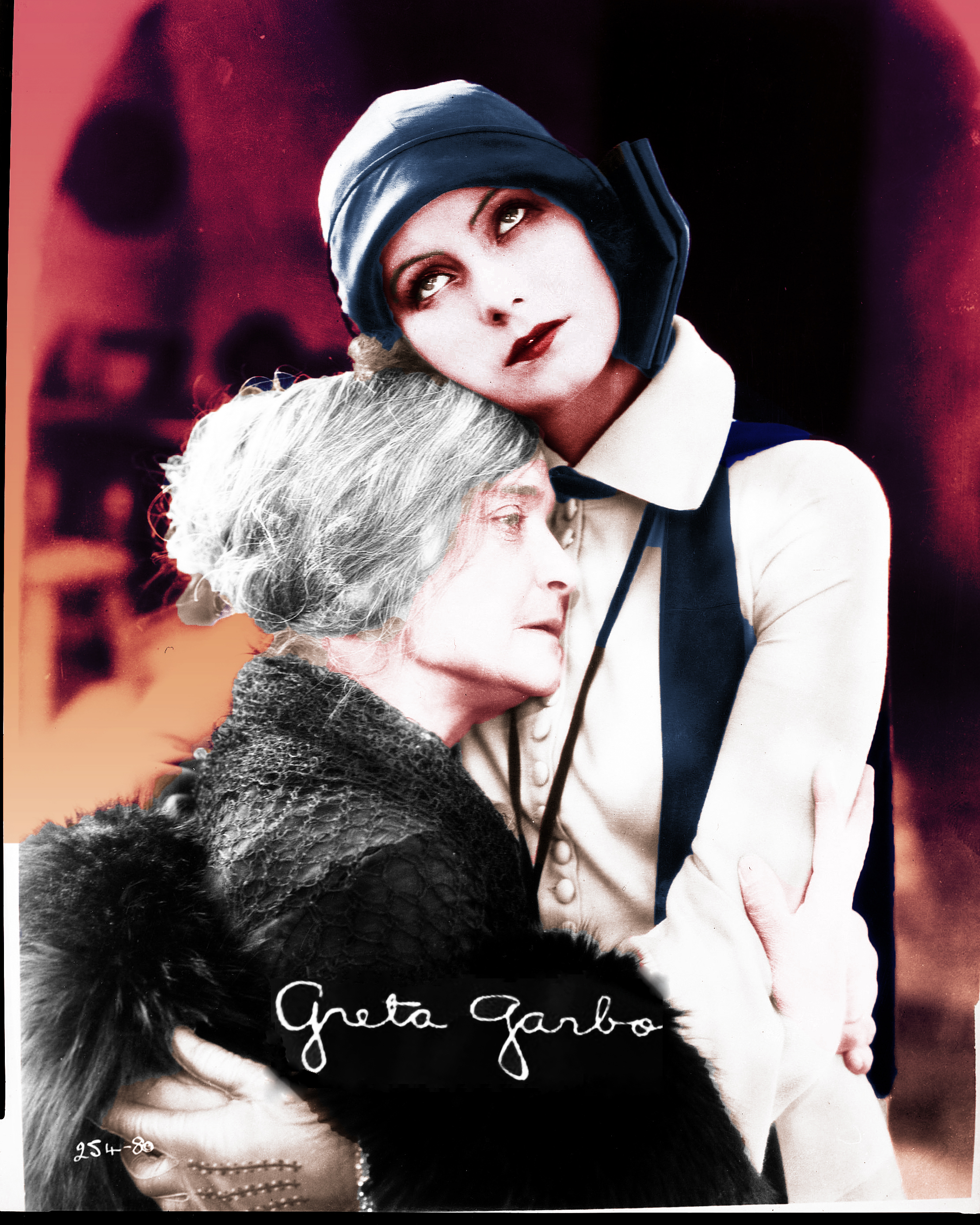
Greta Garbo and Lucy Beaumont in TORRENT (1926)

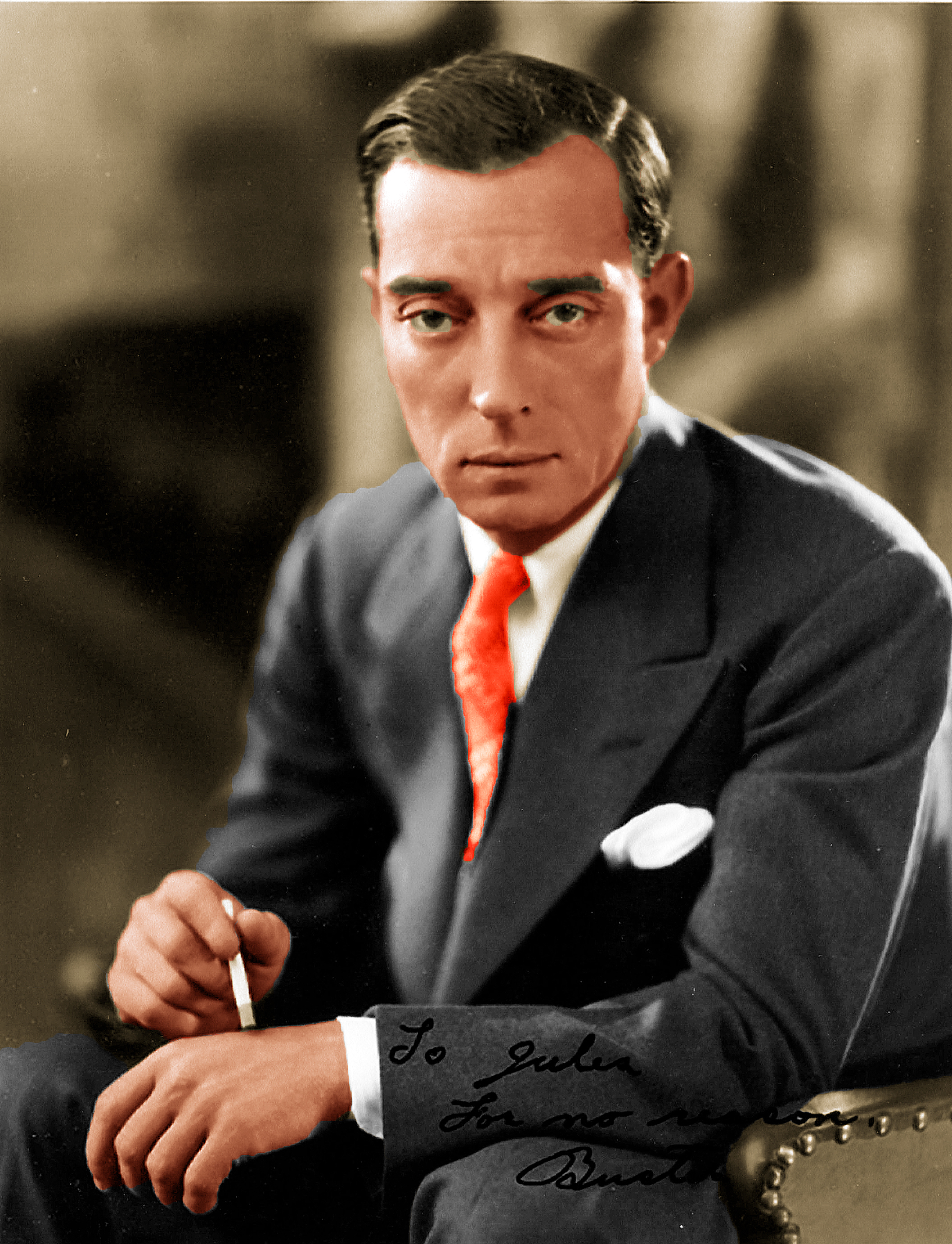
“I find no humor in this situation”

Buster Keaton 1931

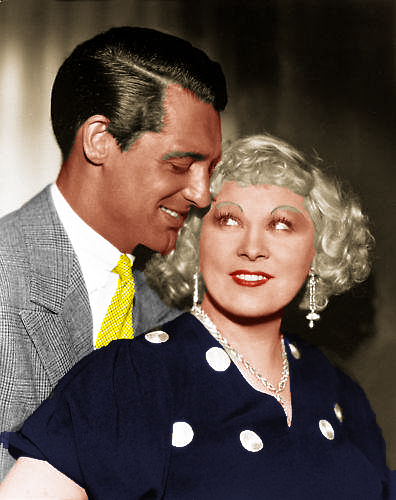
“Come up and see me some time… to log into OLD HOLLYWOOD IN COLOR.”

Cary Grant and Mae West in 1933

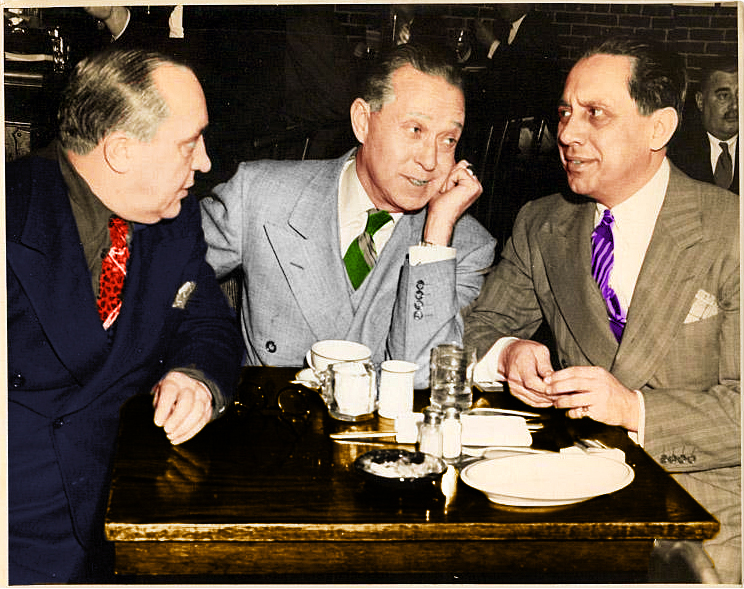
“Keep logging into this site or you’ll never work in this town again.”

Louis B. Mayer in 1930

“He means it too!”

W.C. Fields circa 1938

Published in: on March 12, 2012 at 9:00 PM  Comments (1)  

On the Set with…Olsen and Johnson


The kingdom ruled by the comedy team of Olsen and Johnson was Broadway, not the movie studio. From the 1920s through the 1950s, Ole Olsen (on the right) and Chic Johnson starred in hit musical comedy revues season after season. The nine films they made from 1930 to 1945 were a sideline to increase their theatrical appeal – “see movie stars live on stage” – but they only hit their stride in films at Universal in 1941 with HELLZAPOPPIN, adapted from their Broadway show that ran for over 1400 performances!

Both men were professional musicians, Ole played the violin and Chic the piano. They met in 1912 when Olsen needed a ragtime pianist for his band and an amazing chemistry soon developed. Their musical training gave them a fine sense of comic timing. For example, they appear to both speak at the same time but, oddly, they never interrupted each other. Another quality that set them apart from other comedy teams – they were both the comedian and there was no straight man.

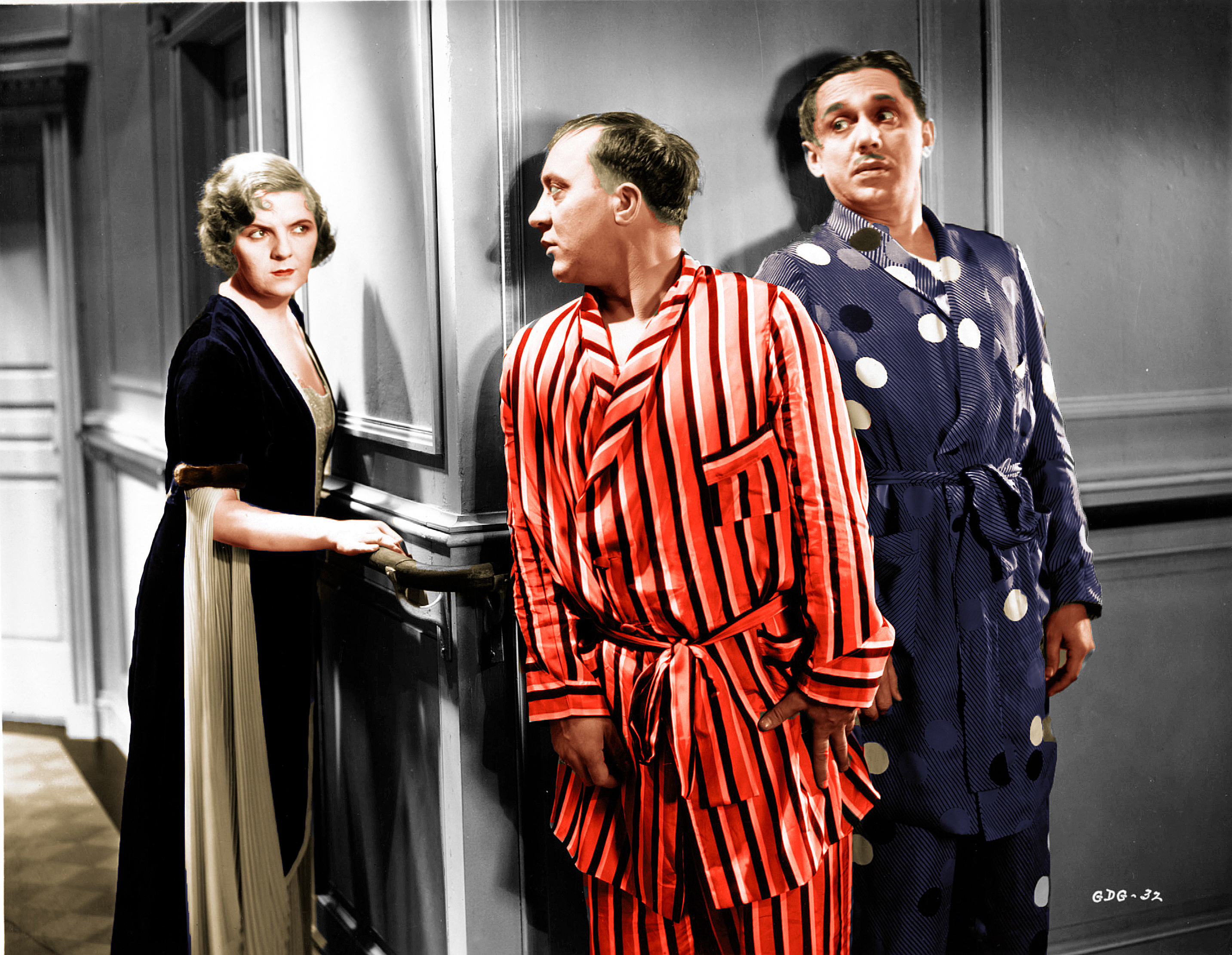
The team’s freewheeling style was somewhat straitjacketed in their earlier films such GOLD DUST GERTIE (1931) with Winnie Lightner:


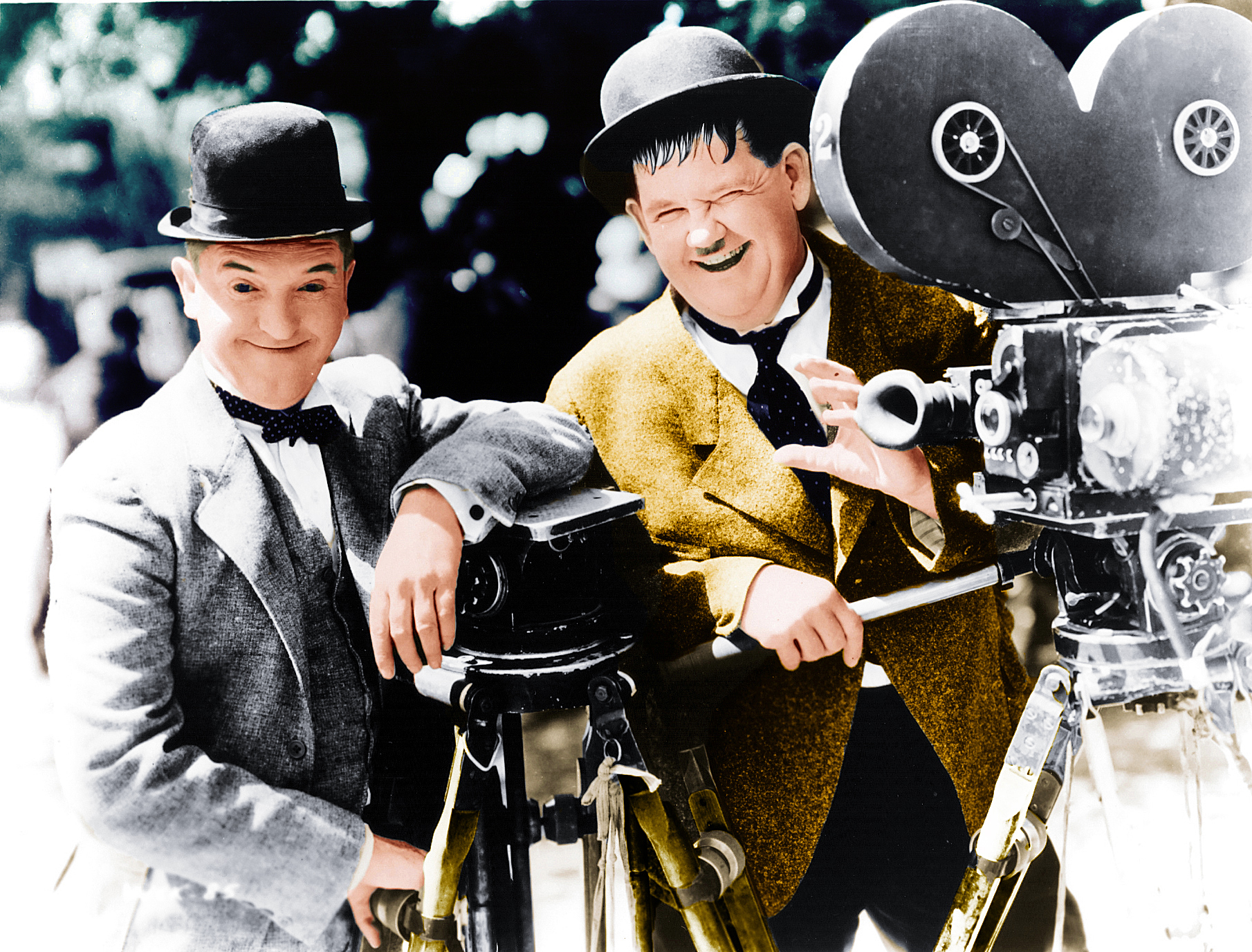
I’m a big fan of Laurel and Hardy, and Abbott and Costello too, but I must admit that Olsen and Johnson are the only team that can make me laugh just by looking at their photo. Below, they seem to enjoy checking film footage on the set of HELLZAPOPPIN at Universal:

After another three-year run on Broadway in SONS O’FUN, Universal welcomed back the team with three more films: CRAZY HOUSE (1943), GHOST CATCHERS (1944), and SEE MY LAWYER (1945).
Silent film comedian Harry Langdon visits the boys at Ole Olsen’s 4-40 Club in New York, circa 1942. Whatever Langdon is saying, Ole doesn’t seem to be buying it as he flashes a reaction to Chic:

Olsen and Johnson performing at the Chicago Stadium celebrate Ole’s birthday on November 6, 1952, with a local Boy Scout troop in attendance. The lady in roller skates is Nancy Lee Parker, three time National Women’s Figure Skating Champion. Honestly, these guys look like they were a lot of fun:

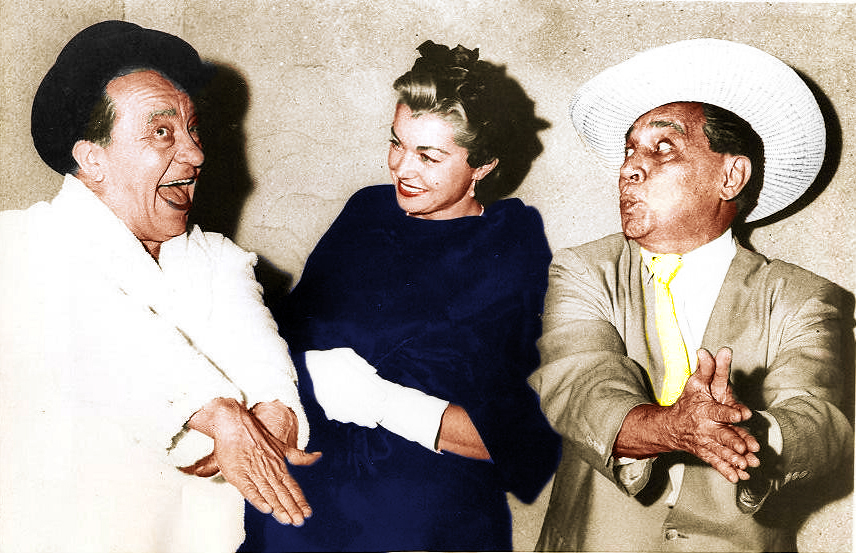
In 1959, Ole and Chic are still going strong after 45 years together as they both near 70, outlasting Laurel and Hardy, Abbott and Costello, and even Martin and Lewis. Here they star in HELLZ-A-SPLASHIN’, at the Aqua Amphitheater in Flushing Meadows, New York, with Esther Williams, who knew a few things about swimming:

Olsen and Johnson were more than a successful comedy team throughout the decades. They were also such close friends that their widows agreed to inter them next to each other. I don’t believe that any other comedy team is buried together, not even when they were relatives such as the Marx Brothers.

On the Set with…King Kong

Movie dinosaurs are better animated today and really look like living, breathing creatures. But in terms of sheer personality nobody beats the 1933 original version of King Kong. There are several fine books detailing how Kong was brought to life and focusing on the dedicated people who made it possible, headed by Willis O’Brien. For our purposes, let’s just walk around RKO Studios to glimpse some of the activities.

The man in the middle here wearing the fedora is KONG producer Merian C. Cooper. To his right is Cooper’s alter ego in the film, Robert Armstrong as movie producer Carl Denham. Like Cooper (and his partner Ernest B. Schoedsack), the fictional Denham traveled with his camera crew to far-off places to film scenes rarely encountered by most people. These docudramas such as CHANG and GRASS earned much critical praise in the 1920s but the lack of a love story and a pretty woman in the picture hampered their box office revenues. KING KONG would change all that with hunk Bruce Cabot (to the left of Cooper) and Fay Wray (we’ll see her later) on hand for the amour.

Here’s Cooper again looking at a figment of his imagination on the RKO lot. This life-size bust of Kong was used for close-ups in the film and was operated by two men who could move its jaw and eyes:

Here is a frontal view of the bust. For all the care taken to match this bust with the smaller models used in the film, the life-size edition missed the protruding jaw that really gave Kong much of his fearsome personality:

You’ve heard of actors wearing lifts on their shoes to make themselves appear taller – well, here is one of the full-size models of Kong that stood only 16 inches high. You can easily note how both the shape of the head and the mouth are quite different from the bust above:

Kong climbs the face of the cliff to reach his mountaintop lair. The Fay Wray miniature can be seen in his hand and this test shot gives us a nice view of the miniature sets:

This is one of the more famous photos where Kong saves Miss Wray from being carried off by a pesky pterodactyl who drops by looking for dinner:

Now compare this test shot with the photo above. While the pose is similar we notice that Miss Wray has not yet been added to to Kong’s left hand:

The pterodactyl again moments before Kong emerges from his lair. In this test shot an object subbing for Miss Wray is placed in the claws. Notice the pole on the left used perhaps to line up the shot:

The legendary giant spider at the bottom of the pit that is never seen in the finished film. Kong hurls several members of the ship’s crew into this abyss in one of the most nightmarish scenes in the film. Any sailors lucky enough to survive the plunge found themselves being eaten alive by this guy!

This is one in a series of cheesecake photos by Fay Wray taken to promote the film. She became a popular film star in the last years of silent films and then made a successful transition to talkies. Although Miss Wray appeared in many films following KING KONG, this would remain the one film that she is primarily remembered for:

Published in: on December 29, 2011 at 1:48 AM  Comments (1)  

A Transylvanian Christmas!

I’m not sure of the when or the why of this occasion but I’ve never seen a photo of Bela Lugosi as Santa Claus and I suspect that you haven’t either. Bela looks as though he wishes he were taking it easy in a nice comfortable coffin:

Best Wishes for a Very Merry Christmas and a Happy and Healthy New Year!

Published in: on December 24, 2011 at 11:57 AM  Leave a Comment  

Stars of Lost Films of the 1920s

The film celebrities of the 1920s were the first true superstars. They were instantly recognized wherever they went, sometimes to a fault, i.e., being mobbed. While many examples of their films have survived and are even in circulation on dvds these days, many more films are lost forever. Here’s a roundup of some notable stars of the era in films that are now lost.

Douglas Fairbanks (here with Winifred Westover in lost film, THE KNICKERBOCKER BUCKEROO from 1919) was universally acknowledged as the uncrowned king of Hollywood by 1920. But even Doug had no idea of his appeal until he ventured away from Los Angeles on his honeymoon with Mary Pickford. This photo was scanned directly from an 8×10 inch work negative:

Wallace Reid is remembered more for his sad death of drug addiction in 1923. He was an incredibly popular star in the late teens and early 1920s. This photo, scanned directly from an 8×10 inch work negative, is from one of his later films, FOREVER (1921), another lost film, which was an adaptation of the fantasy, PETER IBBETTSON:

Beautiful Dolores Costello was discovered on the Warner Bros. lot by John Barrymore in 1925. They made two hit films together but many of Costello’s films haven’t survived including this film from 1929. Today she may be better known as the paternal grandmother of Drew Barrymore:

Two magnetic personalities, Ronald Colman and Vilma Banky, in the lost THE TWO LOVERS (1927). Colman became a greater star in sound films through the 1950s with his velvet voice and charming British accent. Some say Banky revealed a rather thick Hungarian accent in talkies, while others say no, she sounded something like Garbo. In any event, Vilma transitioned her fame nicely to make a fortune selling real estate in California:

That’s a young Joan Crawford in the title role of ROSE-MARIE (1928) with House Peters and James Murray. The 1936 remake starring Jeanette MacDonald and Nelson Eddy is better known but this silent musical apparently had virtues of its own. Perhaps a print will yet turn up. This photo was scanned directly from an 8×10 inch work negative:

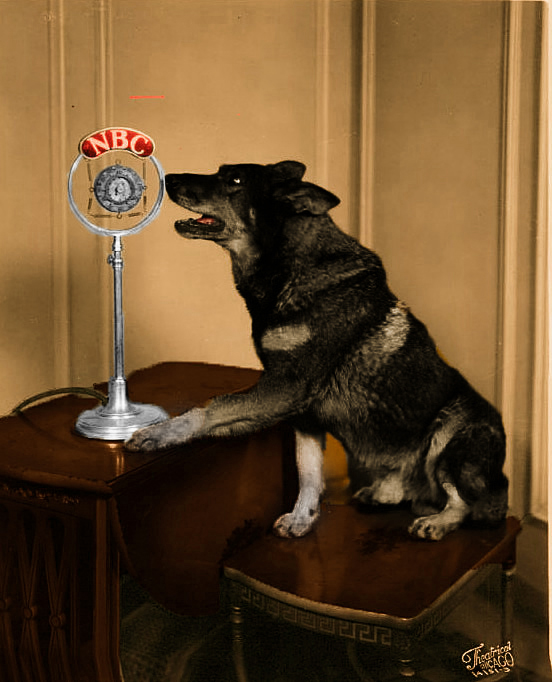
The original Rin Tin Tin made over 25 feature films from 1923 to 1930 yet only a handful survive. Here’s pastoral scene from one of the lost ones, A DOG OF THE REGIMENT (1927) with Dorothy Gulliver:

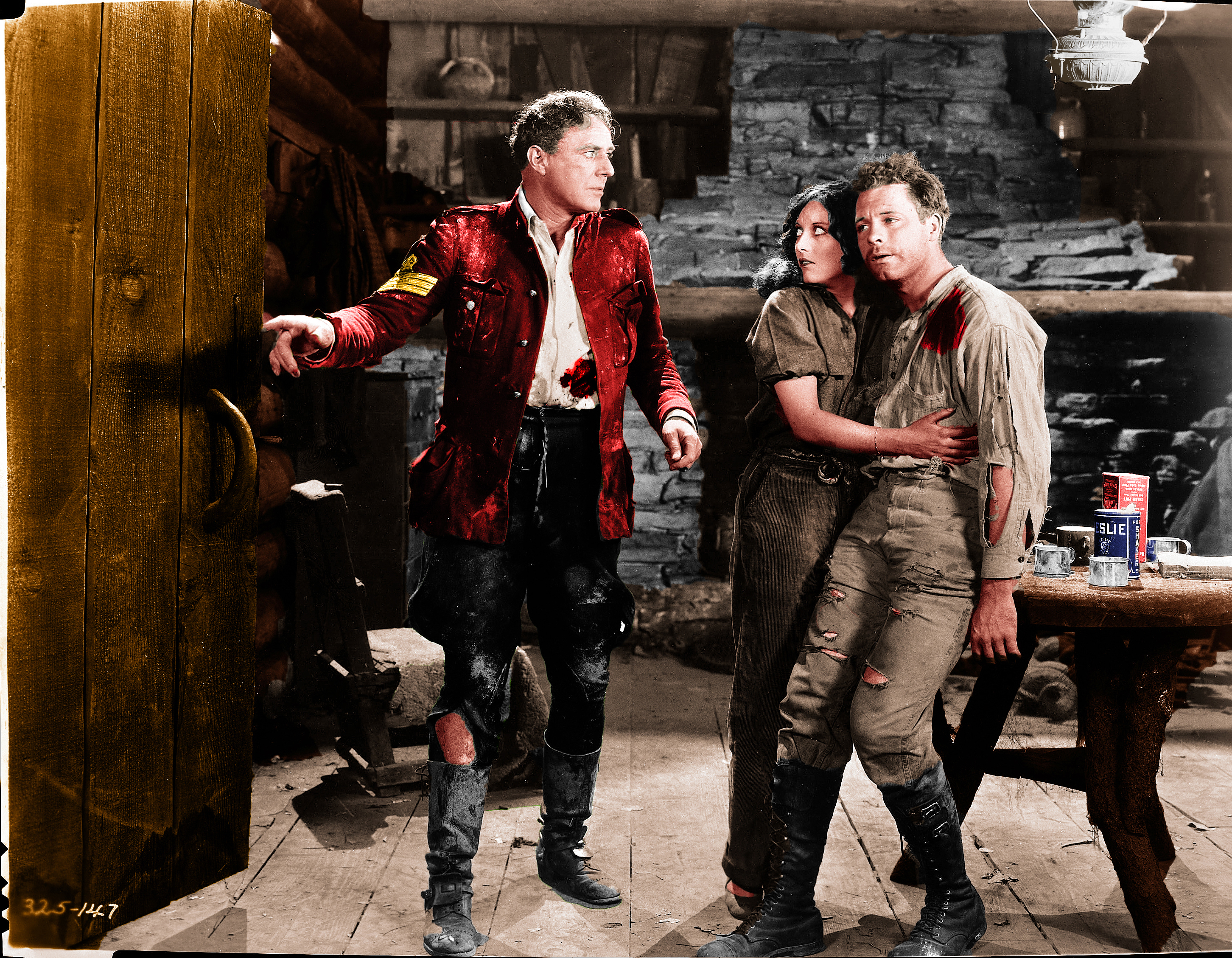
The films of Lon Chaney Sr. have a high survival rate and many are available on dvd and streaming video. But his LONDON AFTER MIDNIGHT (1927) is perhaps the most famous lost American film of all time:

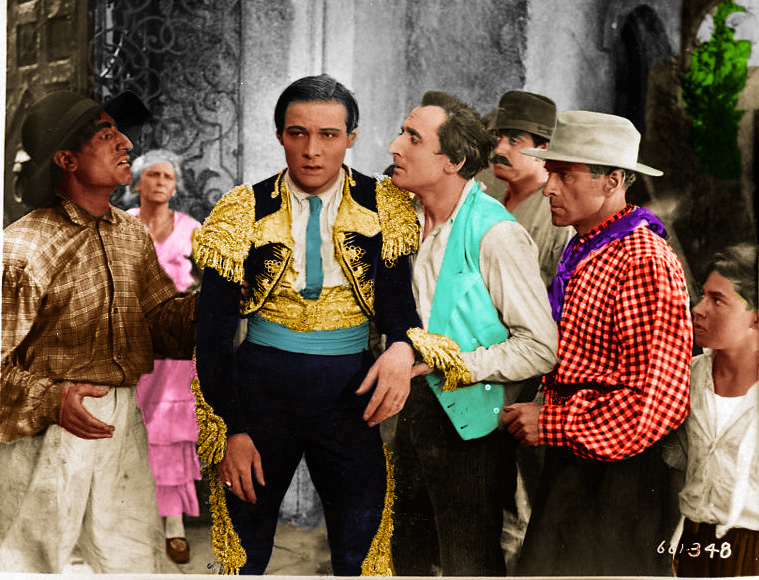
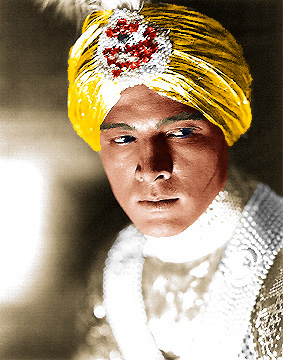
Rudolph Valentino’s films from his relatively brief career also enjoy a high survival rate but A SAINTED DEVIL (1924) remains stubbornly elusive. This photo was scanned directly from a work negative:

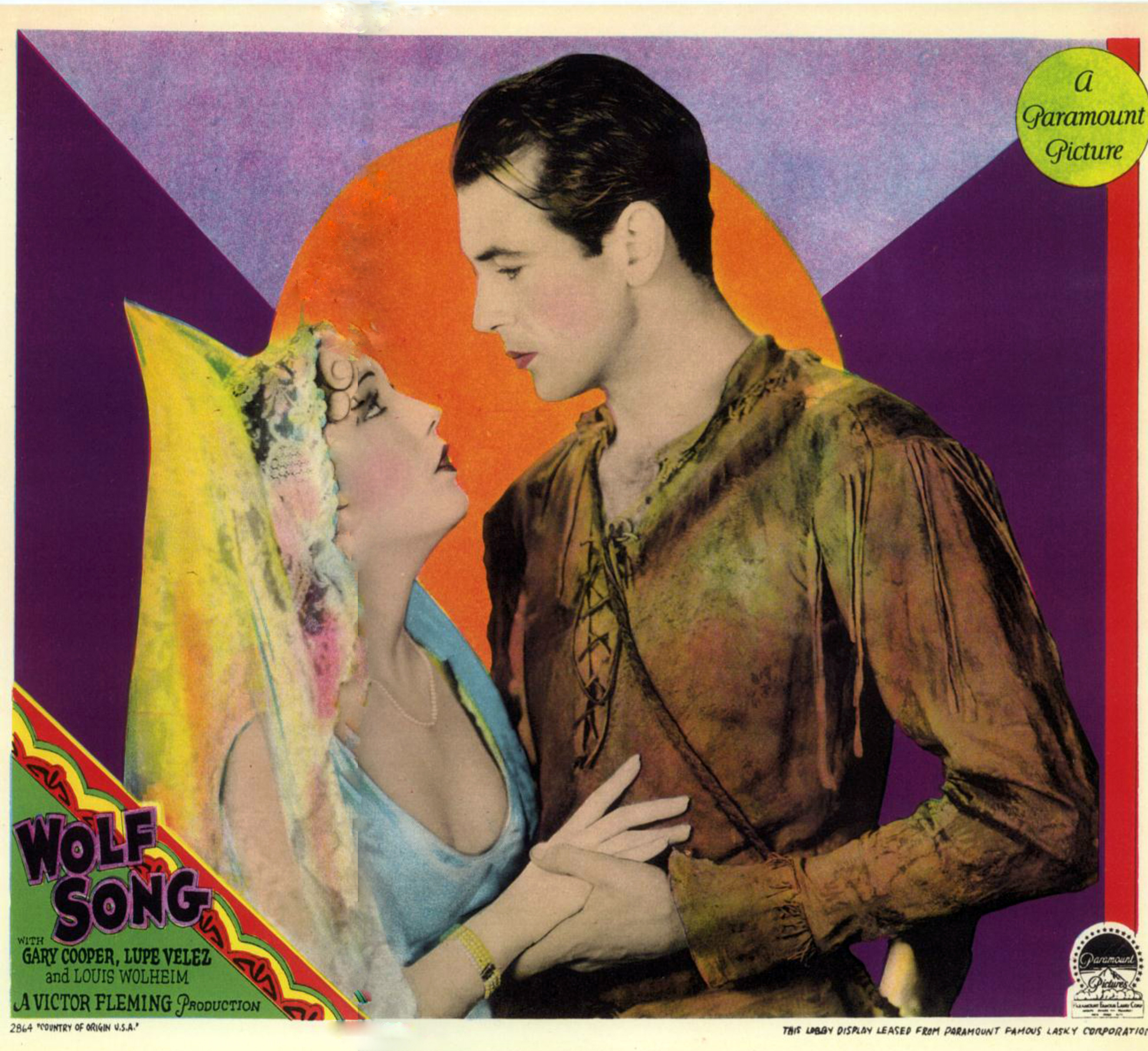
This lobby card from WOLF SONG (1929) is one of Gary Cooper’s first starring films, here with Lupe Velez. This film is a reason for optimism: WOLF SONG was long listed as a lost film but a print was recently discovered. However, it is not in circulation at this time so to many film buffs it still seems lost:

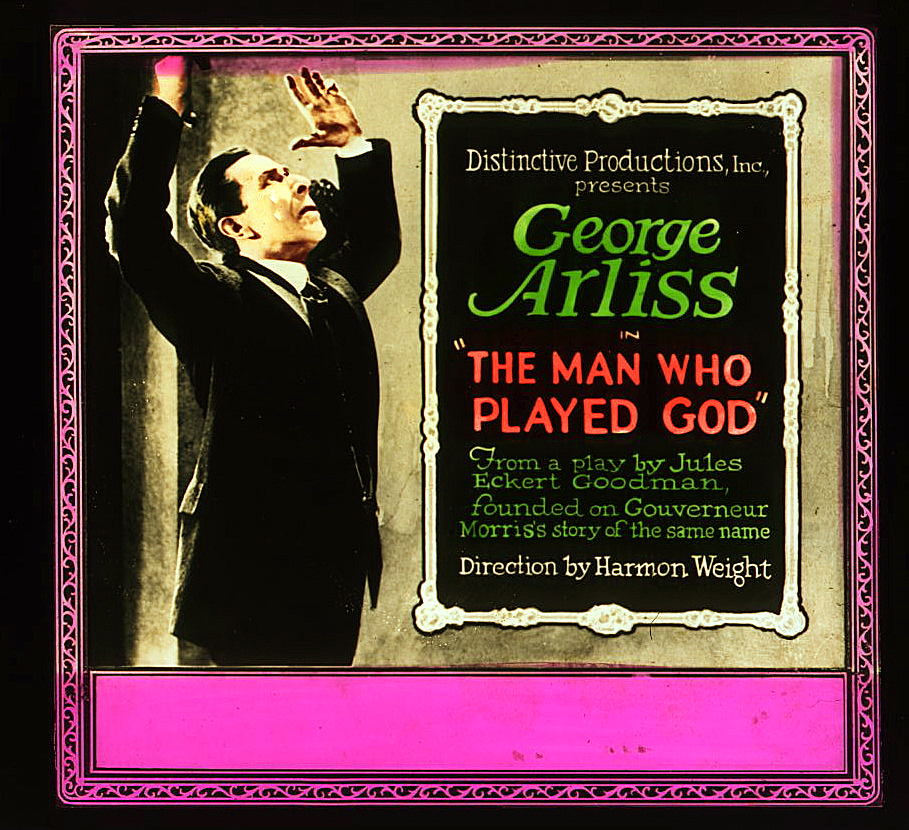
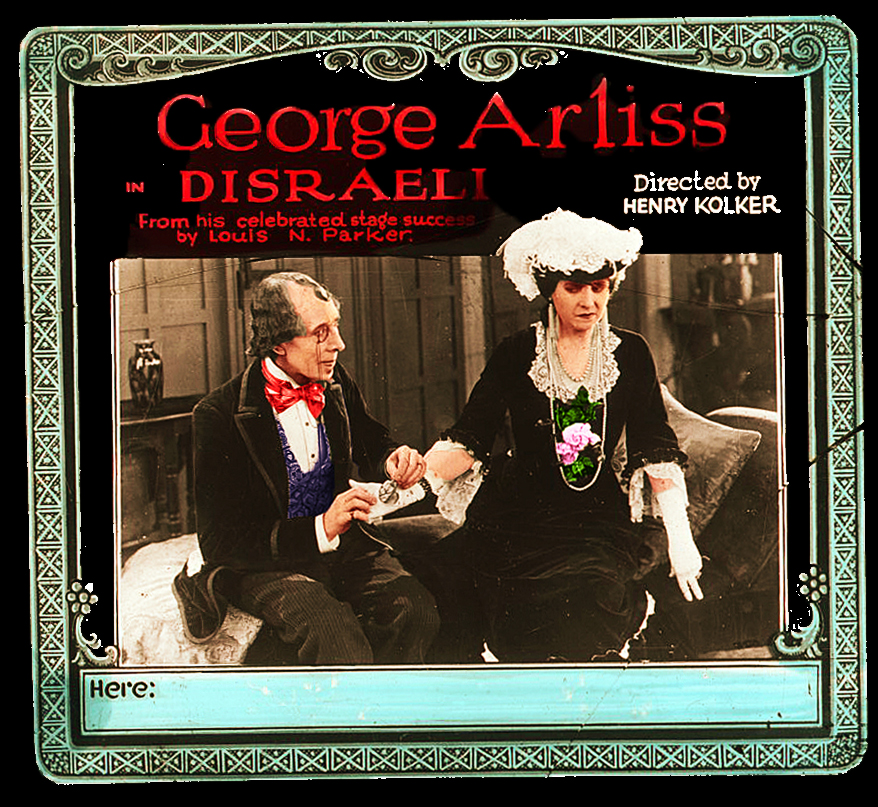
George Arliss scored a big success in 1932 with THE MAN WHO PLAYED GOD, where he also provided Bette Davis with her breakthrough role. But Mr. A had made this story ten years earlier as a silent film that is now lost. This is an original glass slide from 1922:

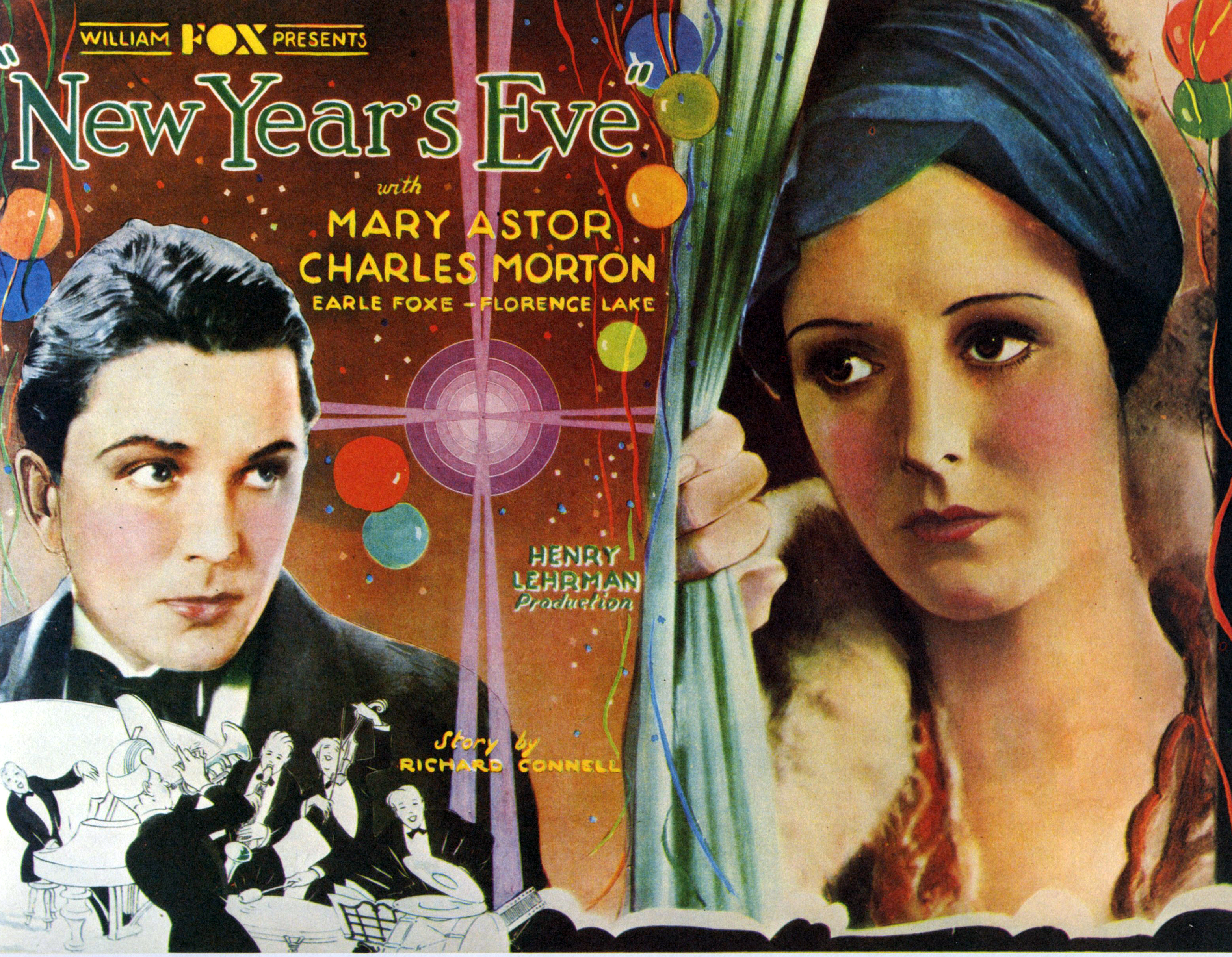
Beautiful Mary Astor was a star from silent films to television and co-starred with the top leading men in each era. When her film career wound down, she became a best-selling novelist. Key films from every phase of her career exist but here’s a lost one from 1929:

Published in: on December 12, 2011 at 7:59 PM  Comments (1)  

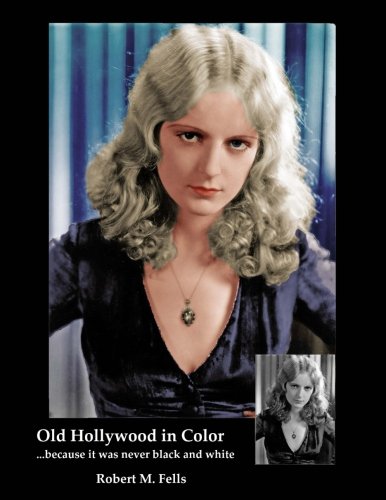
Now Available! The Book OLD HOLLYWOOD IN COLOR

We are proud to announce the publication of OLD HOLLYWOOD IN COLOR, which is available through Amazon.com. There, you’ll find photos from the book and reviews. The book itself is a large 8.5×11 inches. Thanks for taking a look!

Published in: on November 21, 2011 at 2:10 PM  Comments (2)  
Tags: , , ,

On the Set with… Karloff and Lugosi: A Halloween Salute

There was something about Boris Karloff and Bela Lugosi that was just plain creepy. Neither actor had to “do” anything other than merely show up. Even the occasional non-horror role they landed didn’t change each man’s fundamental ability to send chills down the spines of viewers by saying nothing more threatening than, “Good evening.”

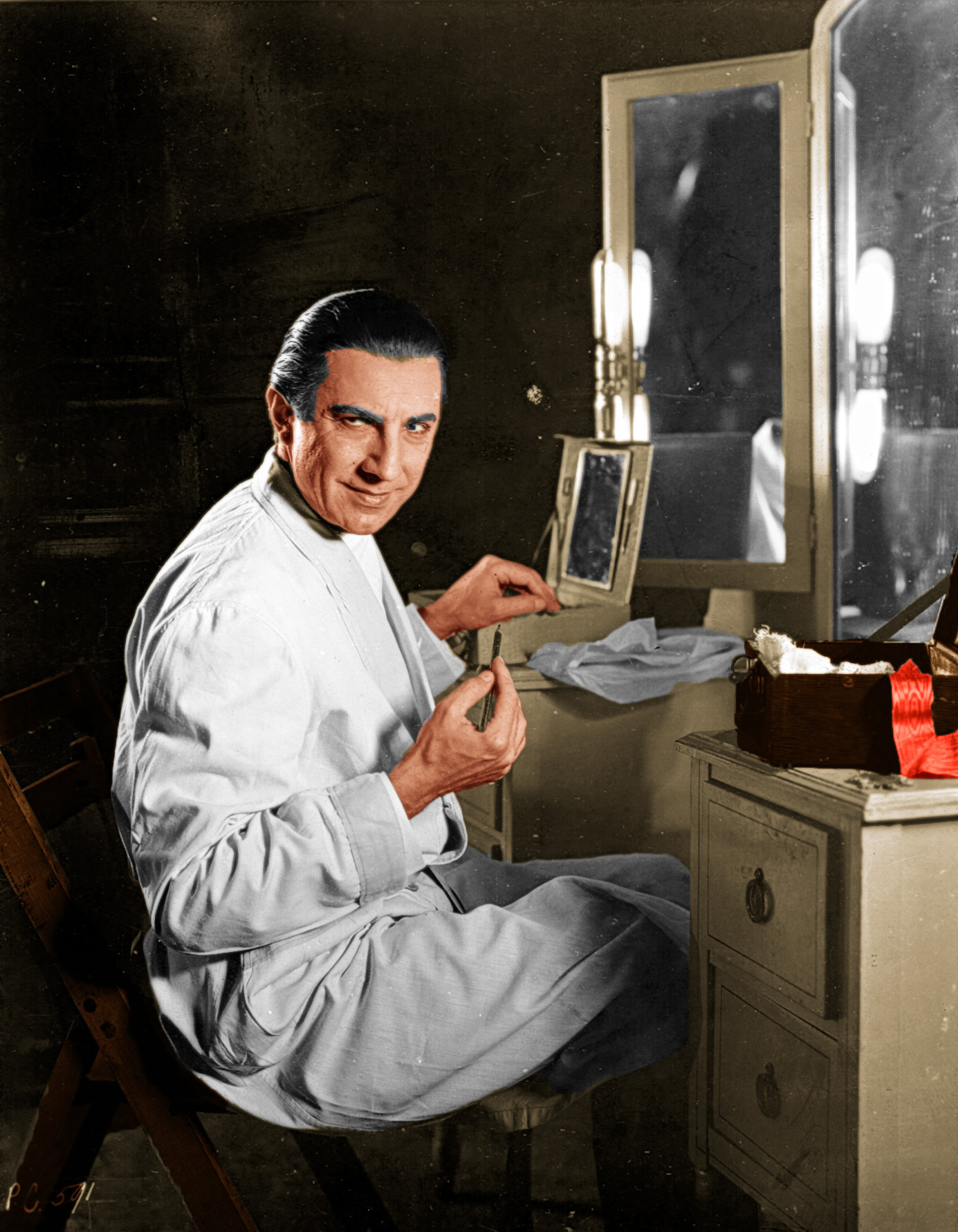
Speaking of which, Bela seems to be inviting us to watch as he applies makeup for DRACULA (1931). He seems cordial enough – but we know better!

Since this is late 1930, it’s worth mentioning that many actors handled their own makeup chores because they had to do it themselves in the theater. During the 1930s, makeup artists began to assist film stars and eventually handled all the tasks:

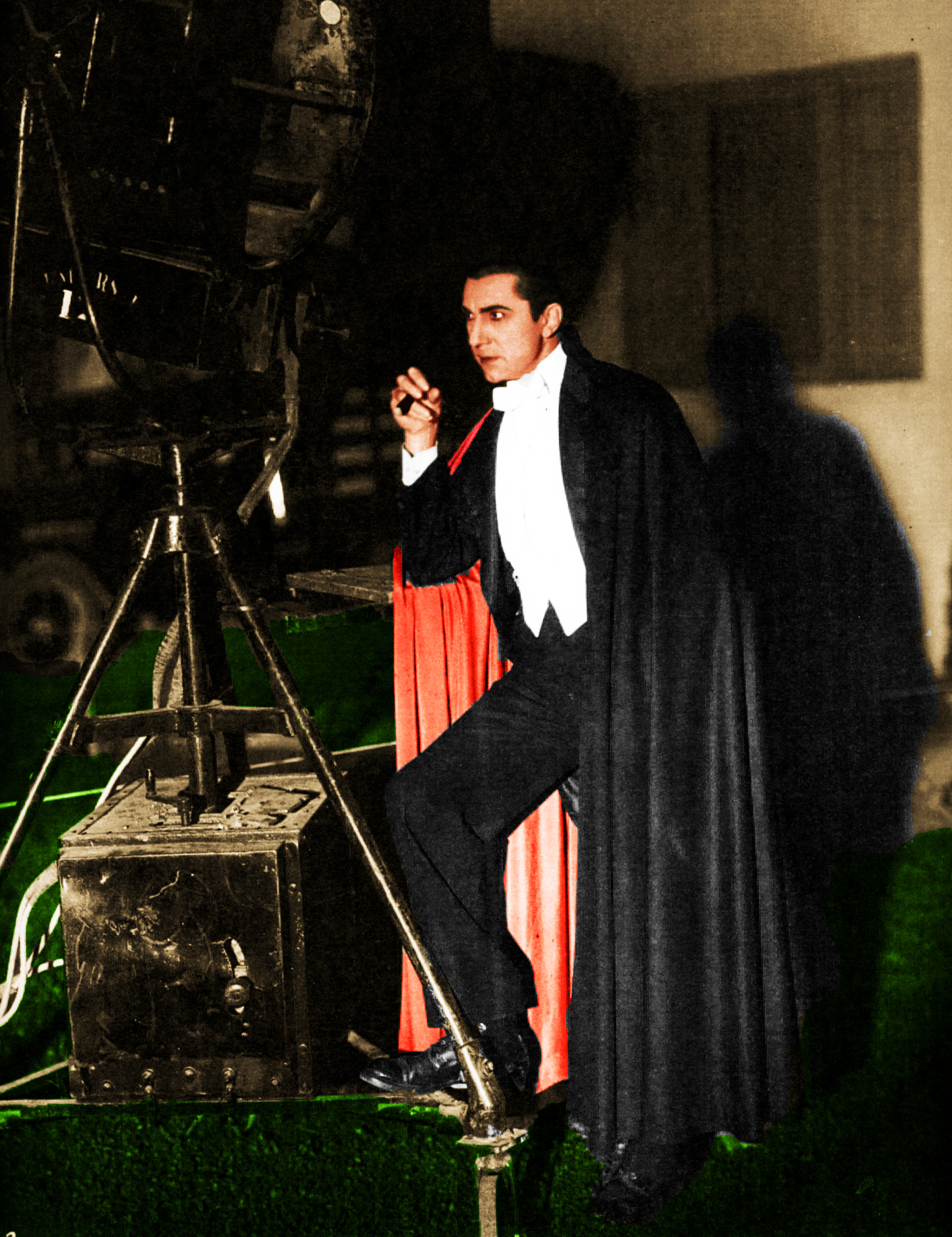
Bela could even make smoking a cigar look sinister:

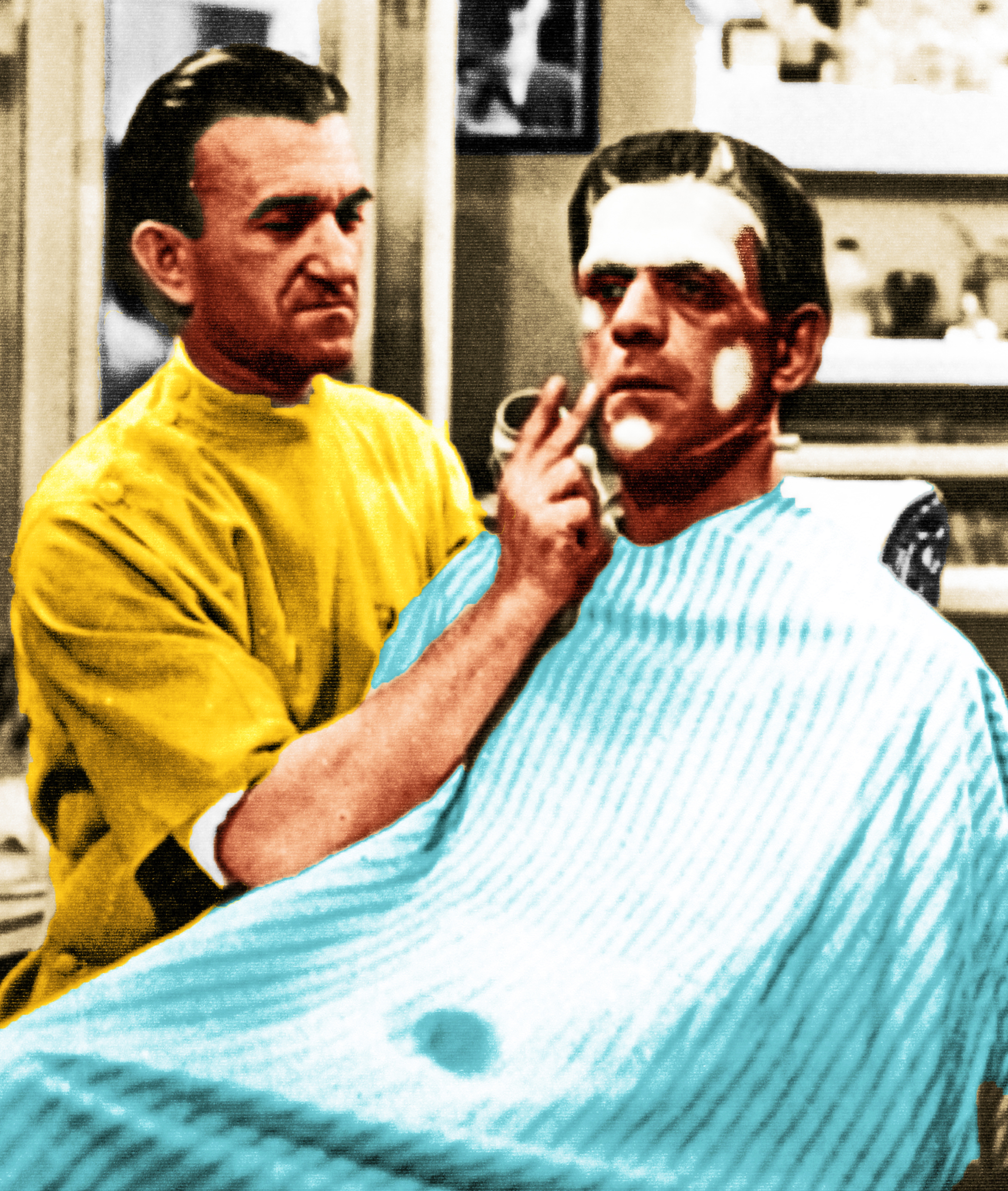
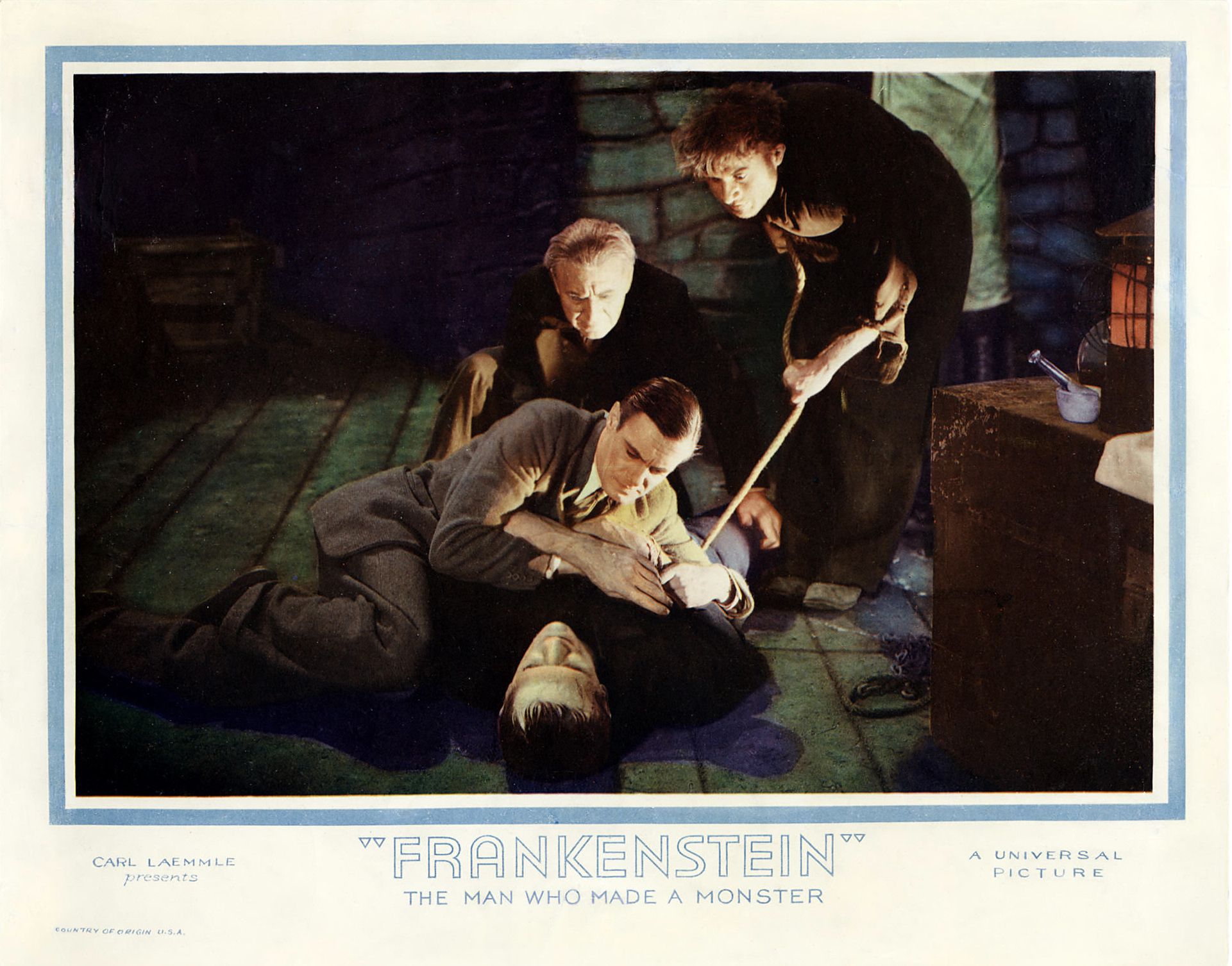
Boris Karloff often played roles that required arduous makeup sessions. Here Universal’s makeup wizard Jack Pierce turns Boris into the Frankenstein Monster for the very first time for FRANKENSTEIN (1931):

Filming the world’s first glimpse of Boris as the Monster:

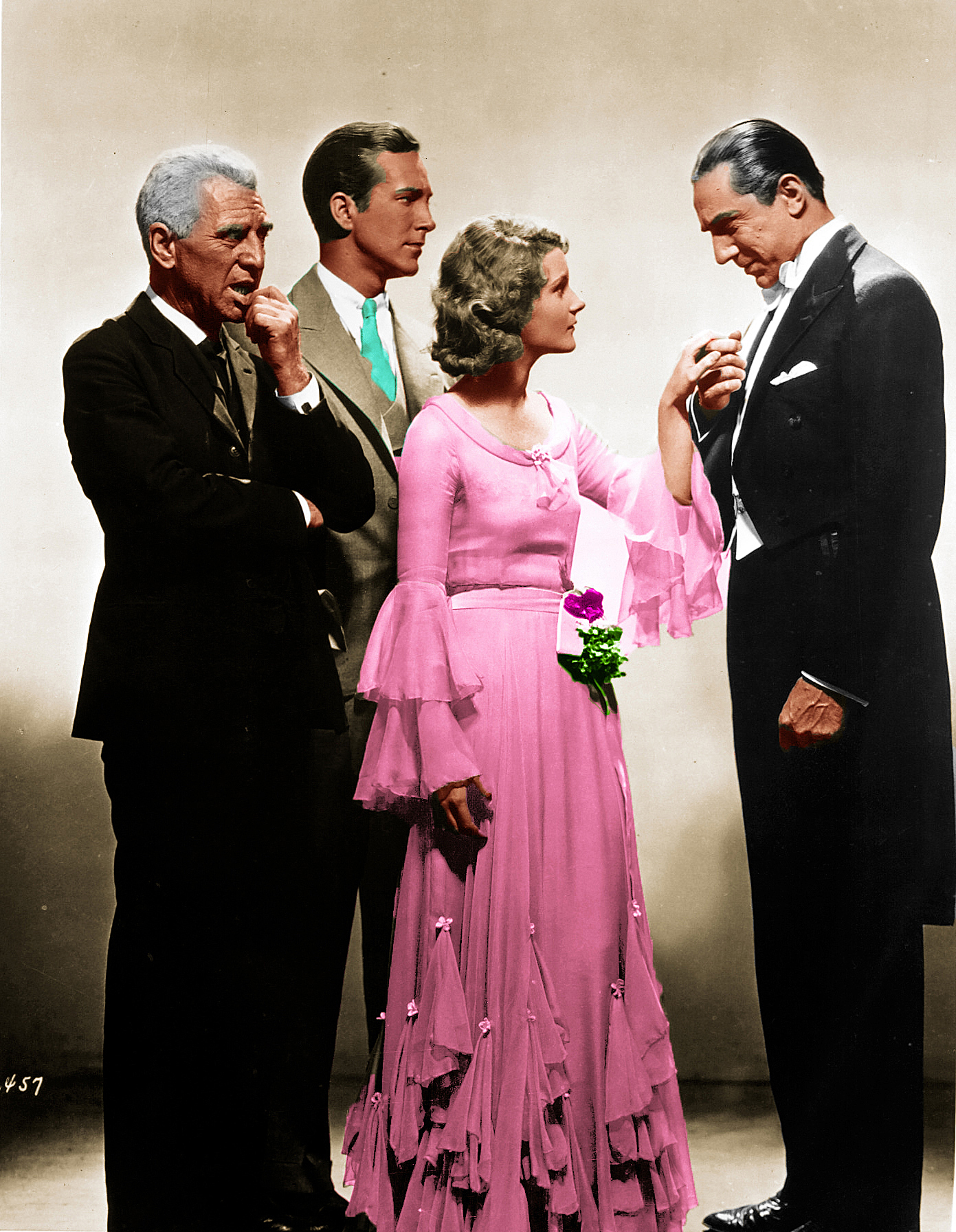
Bela definitely had the romantic edge over Boris. Here Helen Chandler (Mina) seems to respond to the mysterious guest from Transylvania while Edward Van Sloan (Dr. Van Helsing) and David Manners (Jonathan Harker) appear suspicious, or perhaps they’re only jealous:
When mummies are restored to life and want to blend in with other folks, they remove their wrappings. But the passage of 3700 years can cause dry skin. Here Jack Pierce checks to make sure Boris’s parchment-like skin doesn’t come off in THE MUMMY (1932):

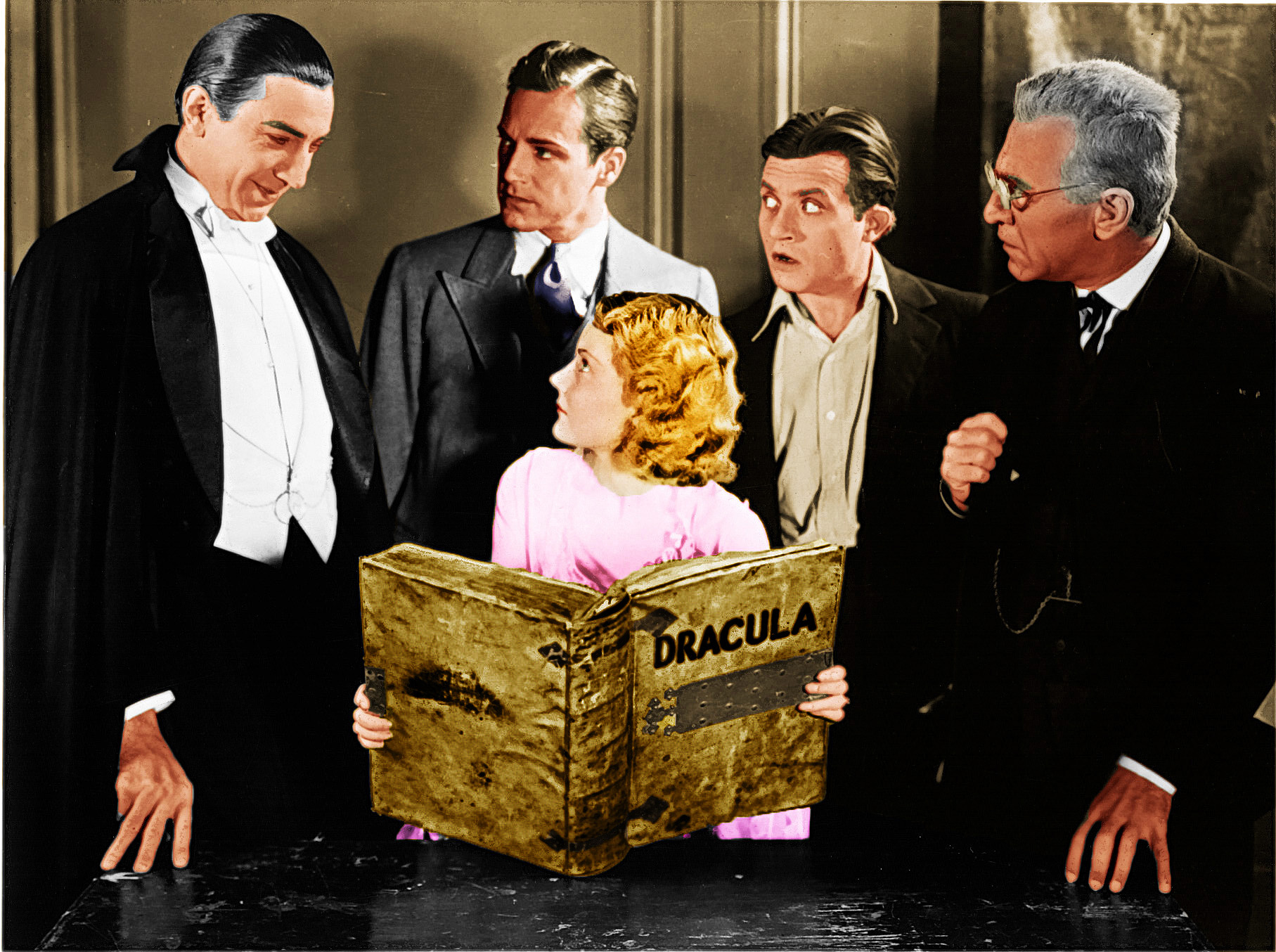
Bela seems so charming here – so why do his fellow cast members in DRACULA look terrified? From left to right, Bela, David Manners, Helen Chandler, Dwight Frye, Edward Van Sloan:

Boris did get to do a romantic scene with Zita Johann in THE MUMMY, but it was cut out of the film:

Double the chills – by the mid 1930s Boris and Bela were teamed up in THE BLACK CAT (1934), THE RAVEN (1935), and one of my favorites, the sci-fi yarn, THE INVISIBLE RAY (1936) where they play perfectly respectable scientists – until the murders begin:

It’s difficult to believe these are the same two gents, joined by Basil Rathbone, as they celebrate Boris’s birthday on the set of SON OF FRANKENSTEIN (1939):

Bela finally got to know what it felt like to sit for hours in Jack Pierce’s makeup chair while he is prepared for his role as Ygor in SON OF FRANKENSTEIN:

Jack Pierce at long last gets his comeuppance from Bela and Boris in this gag photo. That’s director Rowland V. Lee assisting in the skullduggery:

HAPPY HALLOWEEN!