
This month marks the release of the third version of BEN-HUR, using all the technical and computer wizardry of 2016. However this new version is received, the property has a long and successful history. It began as a novel written by General Lew Wallace in the 1880s. The book became a blockbuster bestseller and was no flash in the pan. It remained a top seller for many years thereafter. By 1899 the story was adapted into a hit play and featured live horses on stage for the chariot race. A one-reel film version (about ten minutes long) was made in 1907 that became famous but for a reason that had nothing to do with its popularity. The film company, Kalem, neglected to obtain permission from the book publisher and was sued for copyright infringement. The publisher, Harper Bros., won and the lawsuit became a landmark decision: the first time that a film company was sued for intellectual property violations. But the first feature-length production was made by MGM and released in 1925 at the height of the silent film era. After many problems, it too lived up to its heritage and became another huge blockbuster.
The film was riddled with production problems mainly due to the decision to make the picture in Italy. Although the Italian government promised its full cooperation, repeated labor strikes crippled the filming and finally the production was shut down and returned to California. BEN-HUR was completed in the good ol’ USA. Ultimately, the title role was played by Mexican actor Ramon Novarro. His treacherous friend Messala was played by veteran Francis X. Bushman who had been a film star since 1912!
Messala falsely accuses Judah of attempting to kill the Roman governor and he is sentenced to be a galley slave for life. The famous sea battle was filmed with full-sized ships on the Mediterranean. Novarro with Frank Currier playing the Roman general whose life he saved during the sea battle: 
Lovely May McAvoy played Esther, the romantic interest of Judah Ben-Hur:
Idris, the slinky siren who helps Messala, was played by Carmel Myers: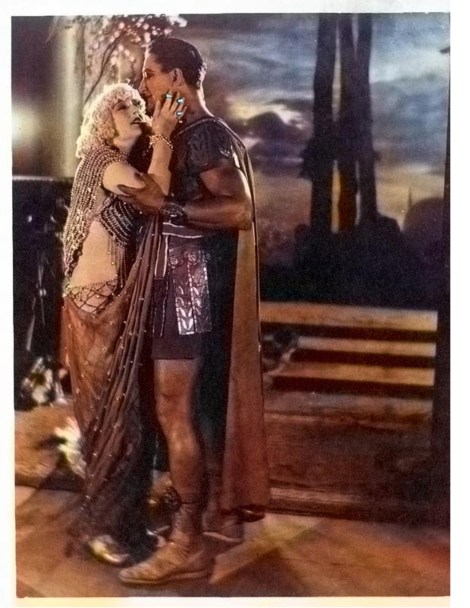
Idras attempts to seduce Judah before the great chariot race:
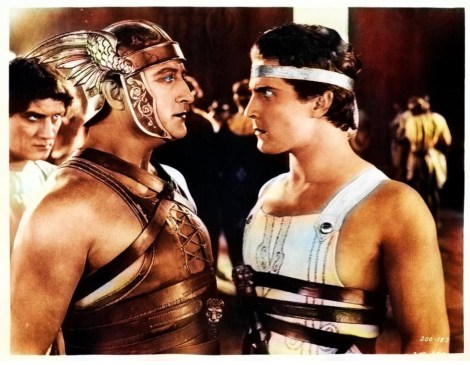
Messala believes that Judah died as a galley slave and is shocked to find him alive and his chief rival in the chariot race. Talk about a grudge match!
The chariot race took three weeks to film and employed 42 cameramen. 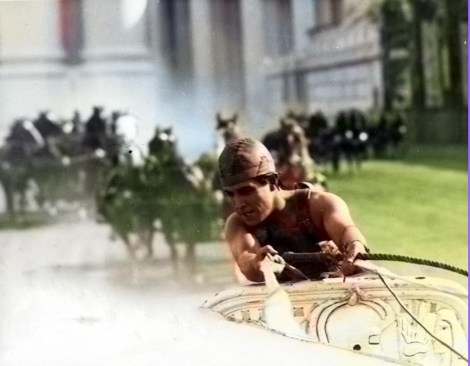
A behind-the-scenes photo:
Intertwined with the fictional story of Ben-Hur was the Biblical story of Jesus Christ and how the two men met at crucial times in Judah’s life. Betty Bronson played the Blessed Virgin Mary:
A magazine ad for the film (color added):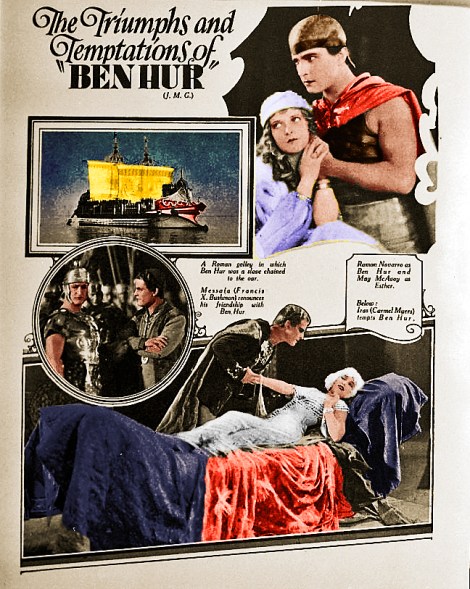
When sound films replaced the silents, BEN-HUR was re-issued in 1931 with a soundtrack of music and effects – and made another fortune!
A number of artifacts from the film survive such as Messala’s helmet that Bushman wore for the chariot race:
Watch the trailer (as enhanced by your blogmeister with music from the 1931 re-issue):
Best of all, the 1925 BEN-HUR is available on DVD today, complete with original Technicolor sequences, and is shown frequently on Turner Classic Movies. Here is an original glass slide that was projected onto movie screens to advertise the film:


The Granddaddy of the legendary Gold Diggers films of the 1930s is THE GOLD DIGGERS OF BROADWAY, made during the first year of talkie features in 1929. Besides being an “all-talkie,” that is, a feature with no “silent” footage, GOLD DIGGERS also boasted early two-tone Technicolor. Unlike the later three-strip Technicolor (WIZARD OF OZ, GONE WITH THE WIND), two-tone Technicolor offered a pastel view of the world.

The big hit song was “Tip Toe Through the Tulips” performed by Nick Lucas. This song later became popular in the 1960s when it was sung by Tiny Tim:

Here is a precious eight minutes of re-discovered Technicolor footage from this pioneering musical that starred Winnie Lightner, Ann Pennington, Lilyan Tashman, and Nick Lucas:
This film is over a century old and relates a simple and brief story starring Roscoe Arbuckle and directed by Wilfred Lucas. The is a typical Mack Sennett Keystone comedy plot with on location improvisation. Given today’s sensibilities, how many politically incorrect things can you spot? But it’s all meant in good fun:
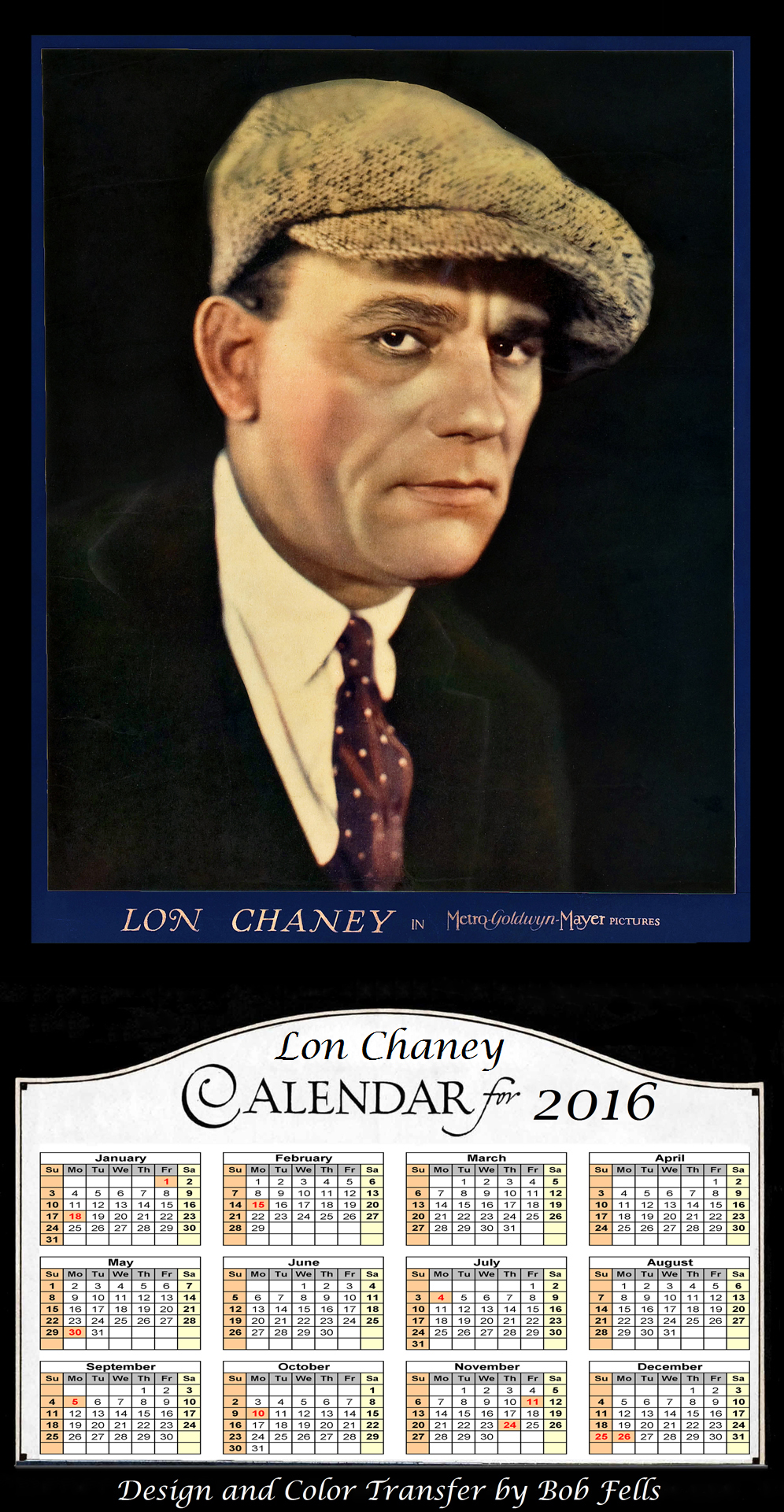
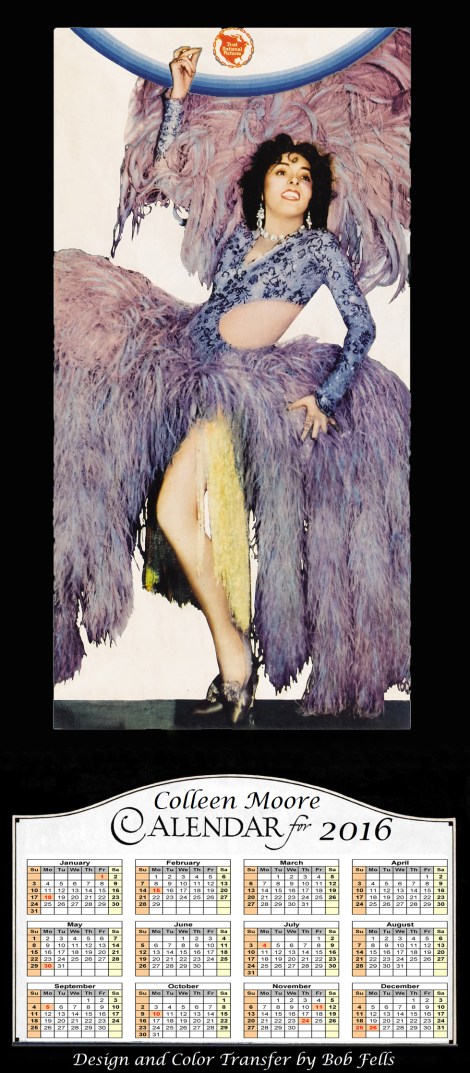
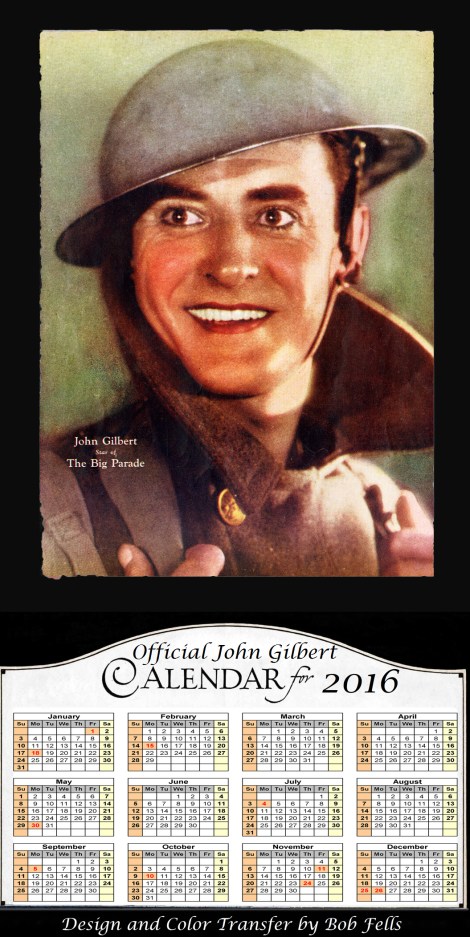
For each the Twelve days of Christmas your blogmeister will be posting a new personality calendar for 2016. If you want any of them, simply print them out. They look best on photo paper. Check back each day through January 5th to see each new calendar:




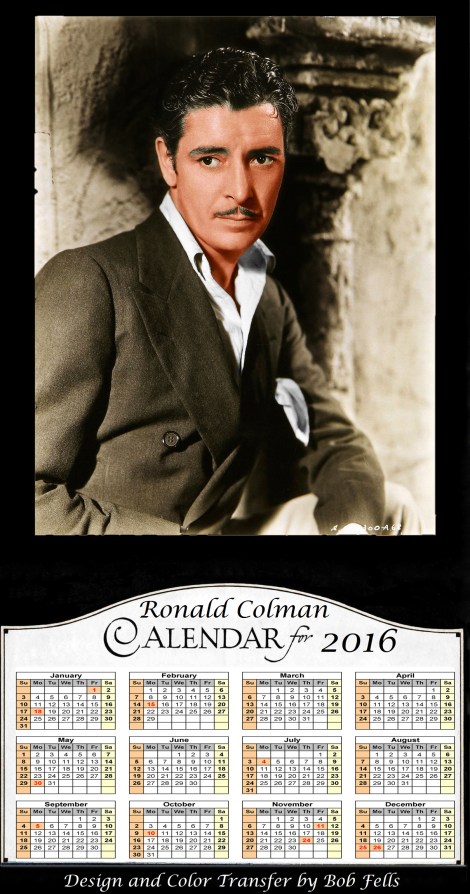

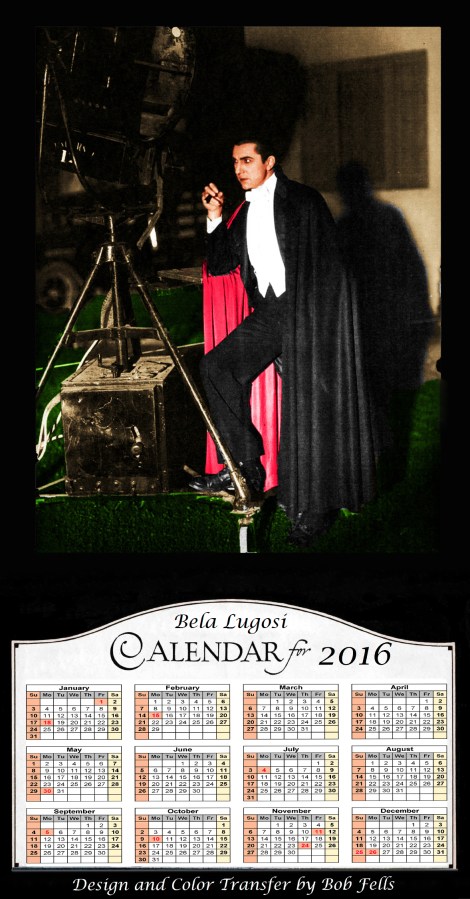
Over the weekend I watched DRACULA (1931) on the big screen at a local multiplex. I suppose I’ve seen this film a few hundred times since I was about ten. I have purchased many video editions starting with an abridged 8mm Castle Films version when I was a kid, later a poor-looking 16mm print, then a video cassette, next a DVD, and more recently a Blu-ray. Now I even have it in HD streaming video. But it’s been a while since I’ve actually watched the whole thing from beginning to end without interruption so I thoroughly enjoyed this weekend’s screening. In fact, thanks to digital restoration technology DRACULA looks better today than it has ever looked, perhaps better than when it was new. With Halloween just around the corner, I thought a little tribute to Bela Lugosi (1882-1956) would be appropriate.

A beautiful half-sheet poster from the original 1931 release:

Director Tod Browning and Bela chat with Broadway producer Horace Liveright who brought DRACULA to the stage in 1927 and hired Bela to play the role. On the right is film director Dudley Murphy:

Two views of Bela applying makeup. In those days many actors continued a theater tradition of putting on their own makeup:


During some outdoor night filming Bela smokes one of his beloved cigars:

The following two photos are courtesy of Vampire Over London: the Bela Lugosi Blog here on WordPress. First Bela still smoking his cigar, Helen Chandler smoking a cigarette, and director Tod Browning:

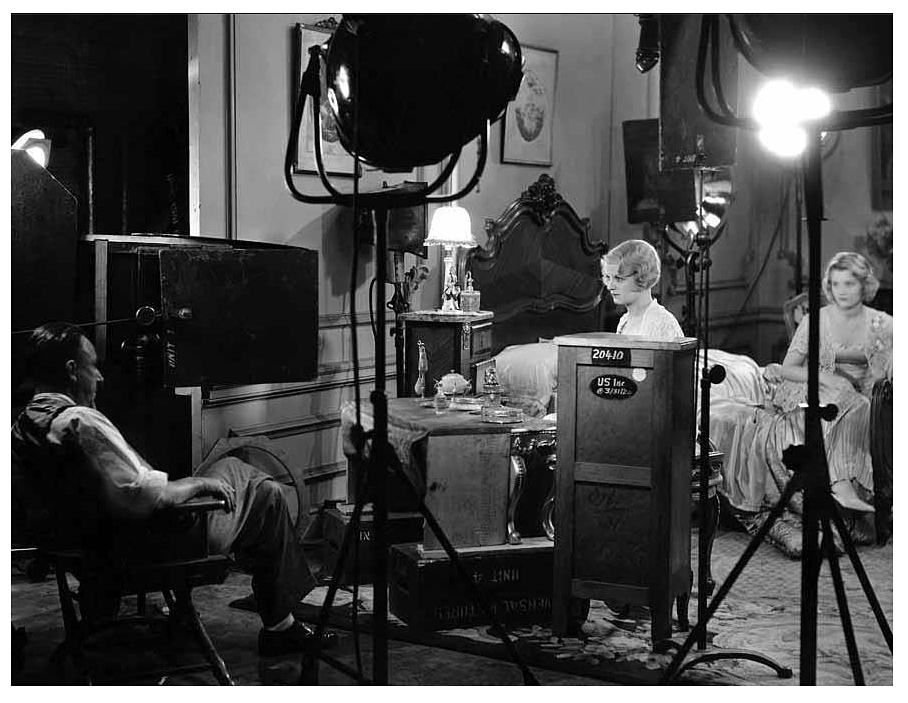
A fascinating behind the scenes photo showing the chaos of equipment and wires, none of which are seen in the filmed shot. Tod Browning, Frances Dade, and Helen Chandler:
From my collection, here are two life masks of Mr. Lugosi that I’d guess were made some ten to fifteen years apart, circa 1933 to 1948. Life masks are the closest we will come to seeing these Golden Age stars face-to-face:


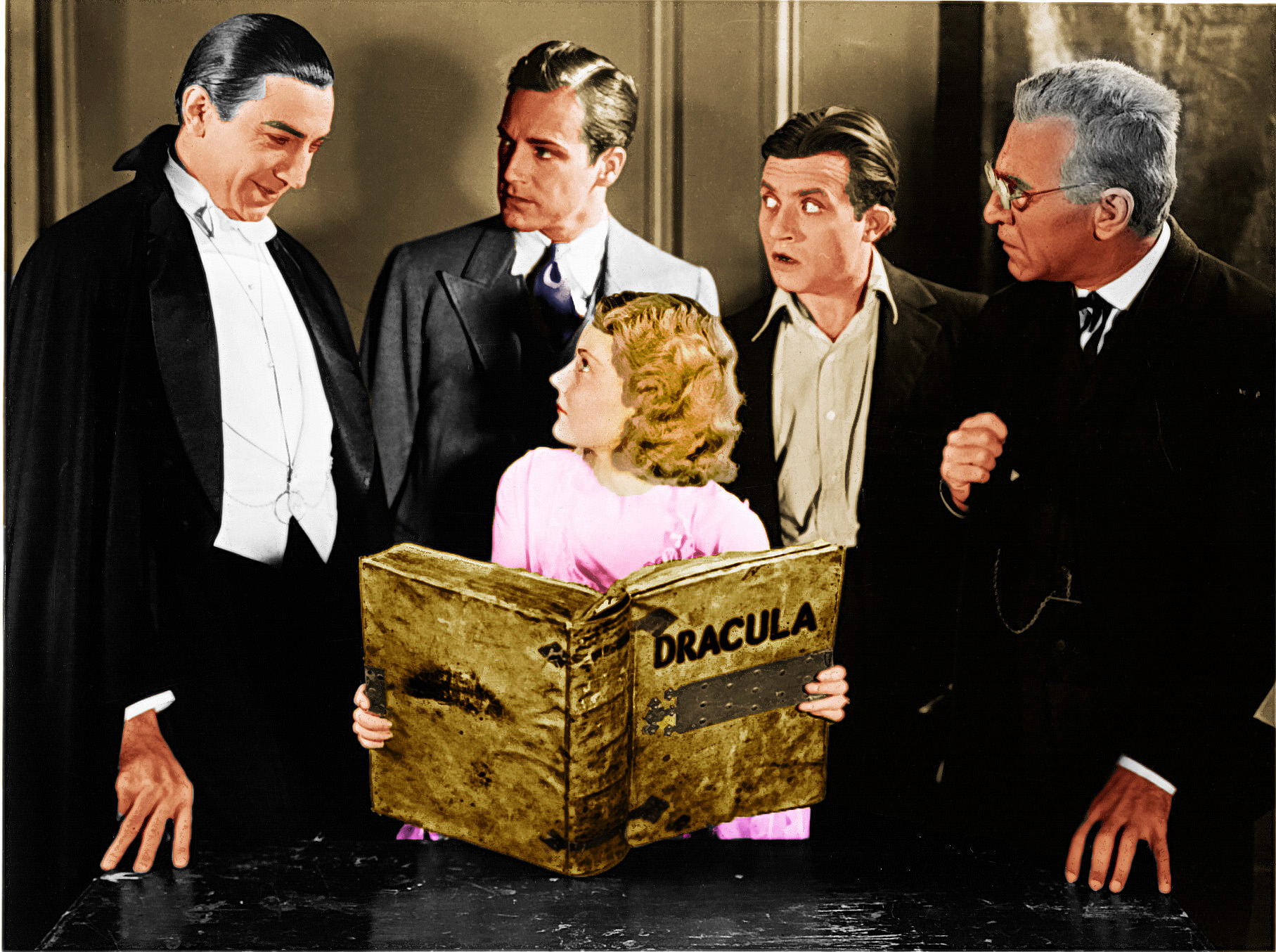
Finally, a humorous photo with the principal members of the cast: Bela Lugosi, David Manners, Helen Chandler, Dwight Frye, and Edward Van Sloan:
Halloween 2015 gives us a good reason to take a fresh look at some of the greatest horror film classics ever made. But not by viewing the familiar artwork found in vintage posters and lobby cards. Instead we have found several rarely-seen and extremely fragile glass slides that were projected onto movie screens over 80 and 90 years ago. Let’s begin the tour.
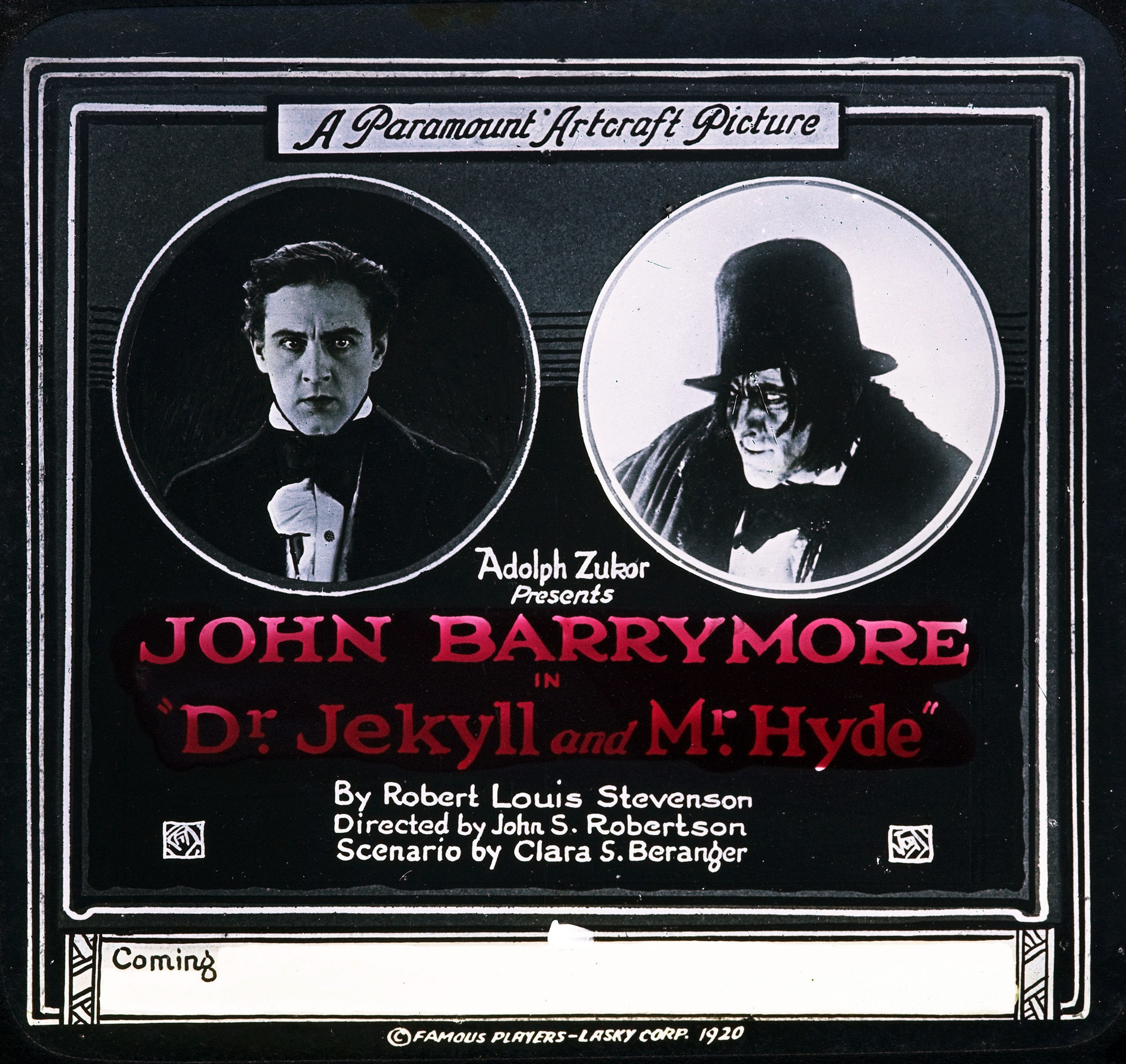
DR. JEKYLL AND MR. HYDE (1920) is often credited as the first American horror film. Although filmed many times beginning in 1911, this 1920 silent film version starring John Barrymore in his “breakthrough” movie performance is generally regarded as the best film version. This takes nothing away from at least two excellent sound film versions made in 1931 and 1941. The 1920 version is readily available today on Blu-ray, DVD, and streaming video:
Before Lon Chaney frightened audiences in THE HUNCHBACK OF NOTRE DAME (1923), the Man of 1,000 Faces created chills in this 1922 film, which alas, is lost:

Decades before JURASSIC PARK let loose an army of angry dinosaurs, movie audiences were awed by living prehistoric creatures in THE LOST WORLD (1925). Based on the popular novel by Sir Arthur Conan Doyle, this film is available on DVD:

Lon Chaney scored a huge hit with one of the most memorable films of all time. New generations today find THE PHANTOM OF THE OPERA (1925) is still a potent brew. The enduring popularity of the Chaney film has resulted in this PHANTOM being available on Blu-ray as well as DVD. We are also lucky to have TWO glass slides for this classic:


Chaney Sr. did not rest on his laurels with PHANTOM, but followed it up with edgy dramas such as THE ROAD TO MANDALAY (1926), which only partially exists today:

American horror films didn’t become established until the talkie era with DRACULA and FRANKENSTEIN, both released in 1931. A lesser-known film released in 1932 is THE WHITE ZOMBIE starring Count Dracula himself, Bela Lugosi. This low-budget film has grown in stature through the years and today is considered a classic. As a sign of its stature, ZOMBIE is available on DVD and even Blu-ray:

One of the best of the early 1930s horror classics is THE INVISIBLE MAN (1933), based on a novel by H.G. Wells, and starring Claude Rains in his first film. The romantic lead was Gloria Stuart who 60 years later appeared in TITANIC (1997):

1933 was a banner years for classic films and horror movies were no exception. In addition to THE INVISIBLE MAN, the public was treated to KING KONG:

The public barely had time to catch its collective breath when later in 1933 the sequel to KONG was released. While not as good as the original, SON OF KONG is enjoyable on its own terms:

Another early horror talkie that has grown in stature is THE BLACK ROOM (1935) starring the Frankenstein monster himself, Boris Karloff. And yes, it’s available on DVD:

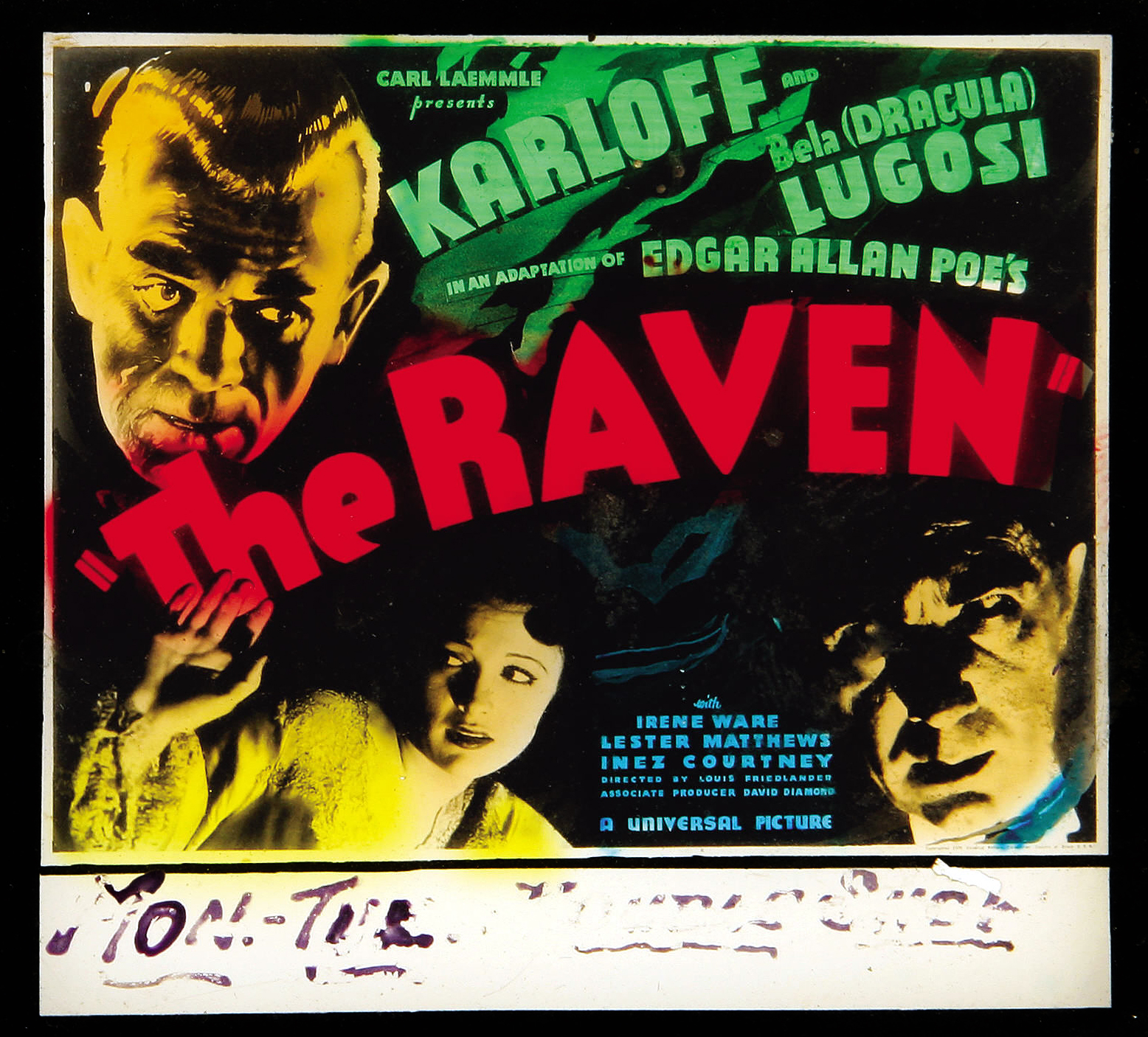
It was only a matter of time before those Twin Princes of Horror Films, Boris Karloff and Bela Lugosi, were co-starred. THE RAVEN (1935) is the second of several successful films from the Karloff-Lugosi team and, yes, is on DVD:
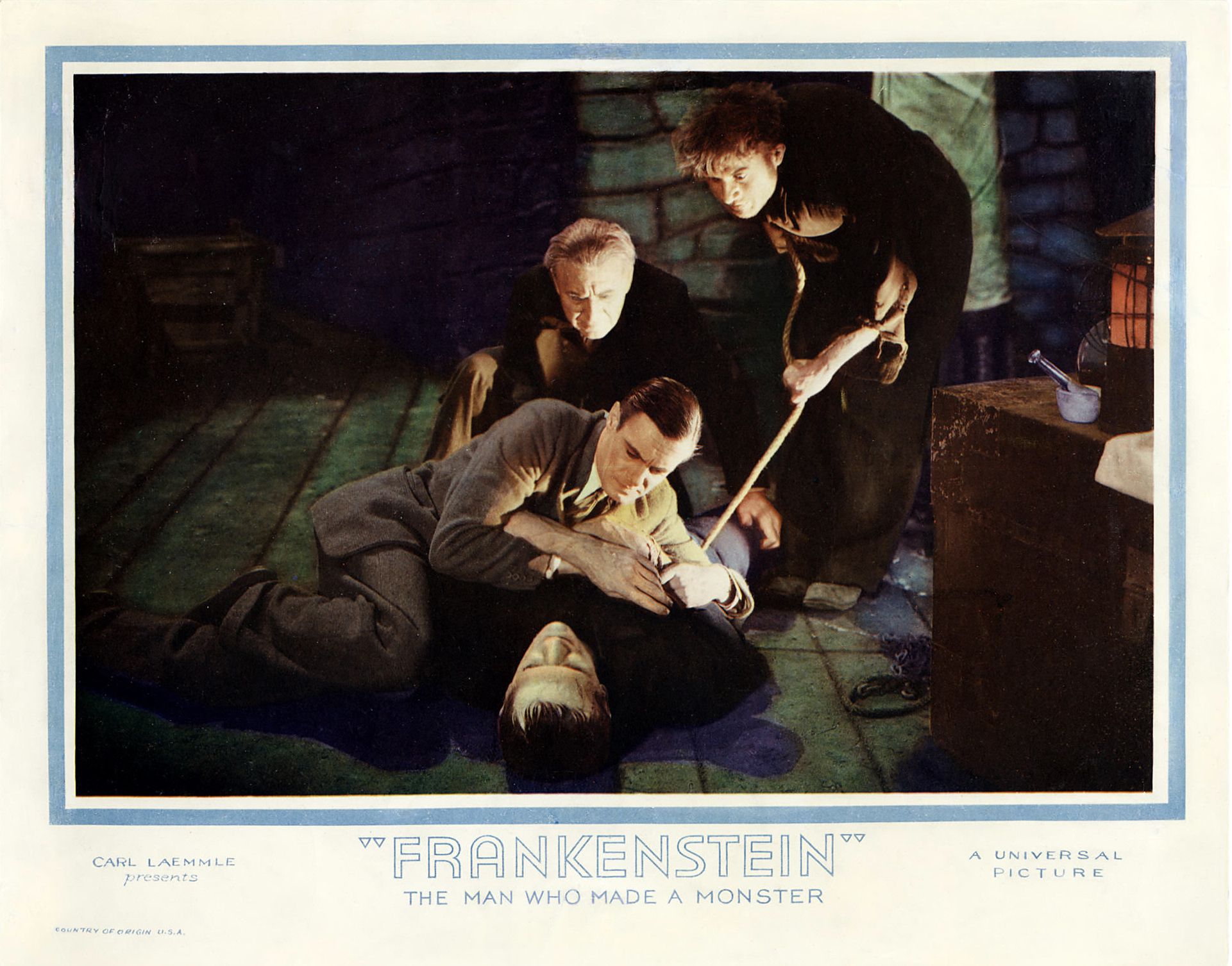
Is there a consensus on one classic horror film that is considered the best ever made? Well, if there is, that film would be the sequel to FRANKENSTEIN (1931). Filmed under the working title of THE RETURN OF FRANKENSTEIN, this stunning film would be known to the world as THE BRIDE OF FRANKENSTEIN (1935). Of course, this one is available on Blu-ray and DVD:

British actor Colin Clive played Dr. Henry Frankenstein in those first two films of the series, FRANKENSTEIN (1931) and THE BRIDE OF FRANKENSTEIN (1935). Here is a candid of Colin Clive and Valerie Hobson on the Universal backlot in January 1935 during the filming of BRIDE:

Colin Clive was regarded as a gifted actor but a troubled individual. He passed away in 1937 following years of alcohol abuse complicated by tuberculosis. Typical of many actors of that time, Mr. Clive was unhappy with his being cast in these so-called “horror films.” But unlike other actors, he had no hesitation to go public with his concerns. Here is a rare interview with the man that many consider to be the definitive Dr. Frankenstein:

HAPPY HALLOWEEN!
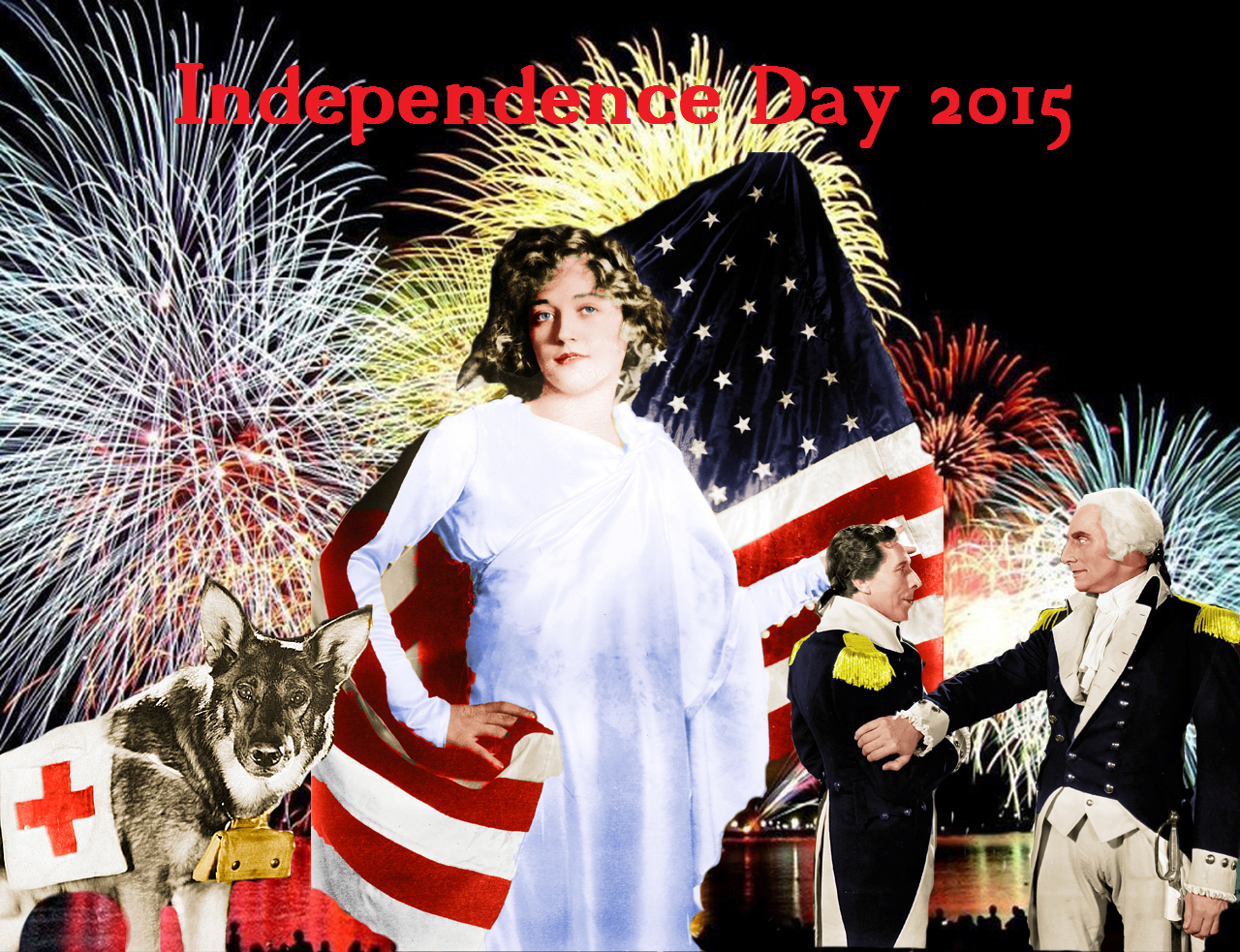
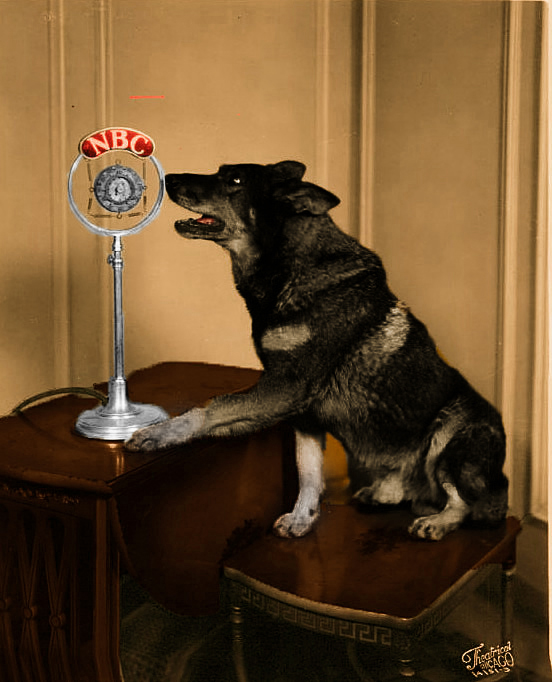
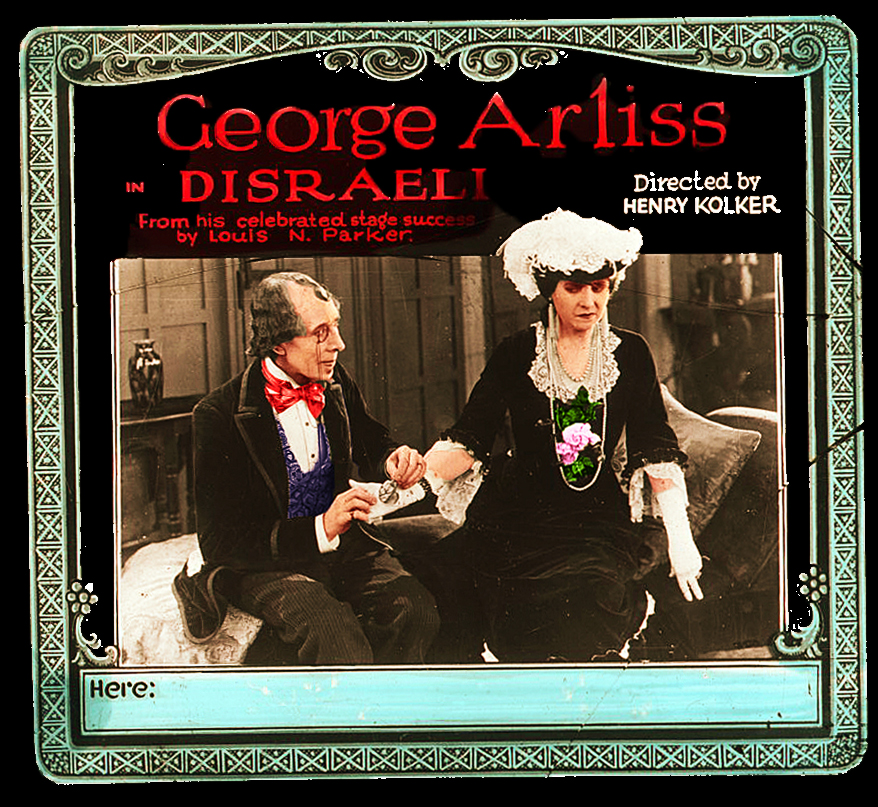
Greetings from Rin Tin Tin, Marion Davies, George Arliss and Alan Mowbray (as Hamilton and Washington):
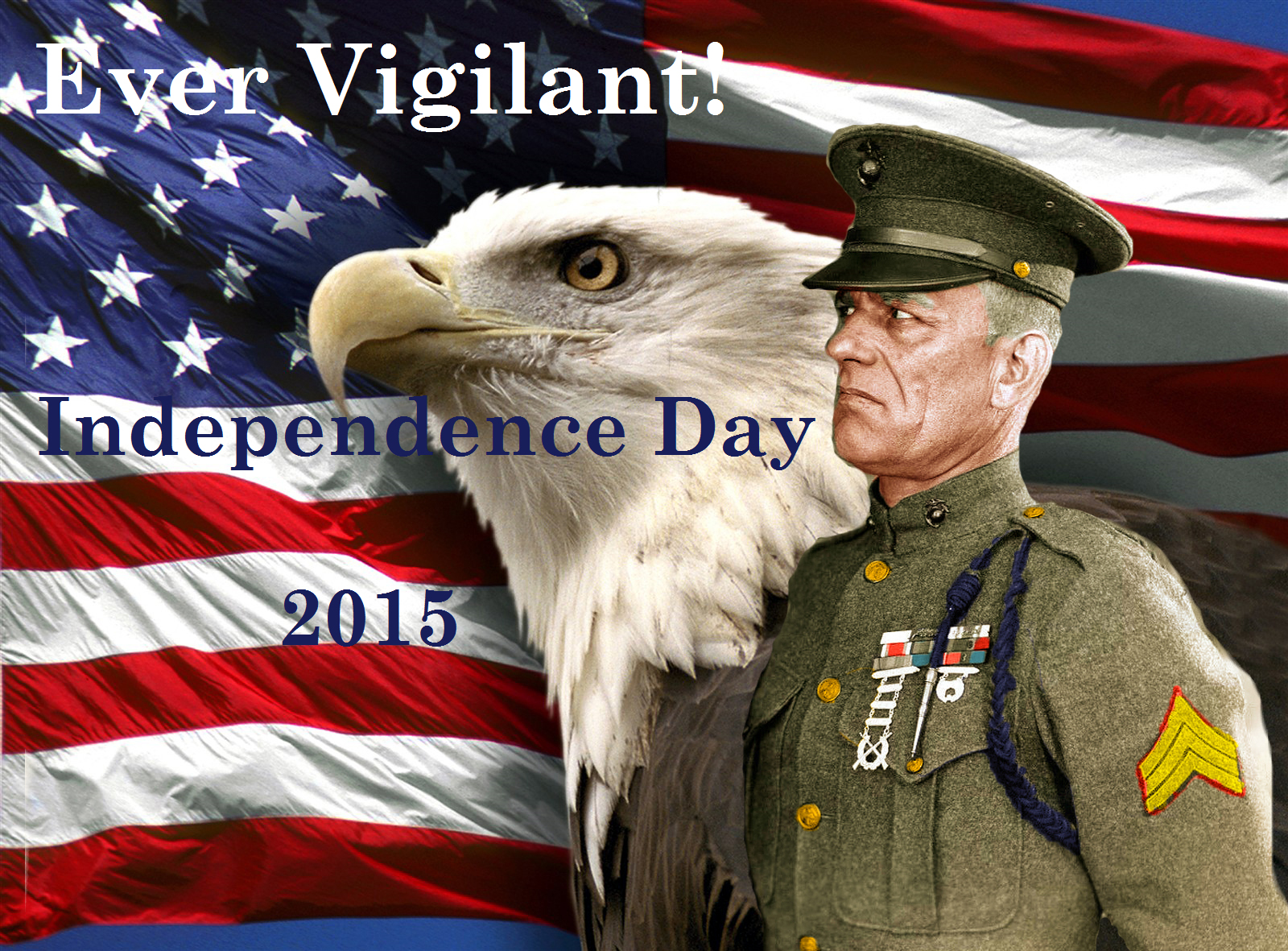
and Greetings from Lon Chaney Sr.:
Douglas Fairbanks (1883-1939) was one of the first movie super stars long before that term was ever coined. A young “juvenile” actor on the stage, Doug gave early films a try in 1915 in a series of popular modern dress comedies. He added some incredible athletic stunts that left movie audiences amazed. By 1917, he was one of the highest paid stars but Doug wasn’t content and decided to produce his own films. He became a partner with his pal Charlie Chaplin, the great director D.W. Griffith, and Mary Pickford (whom he married in 1920) to form United Artists. This company is still in business today.
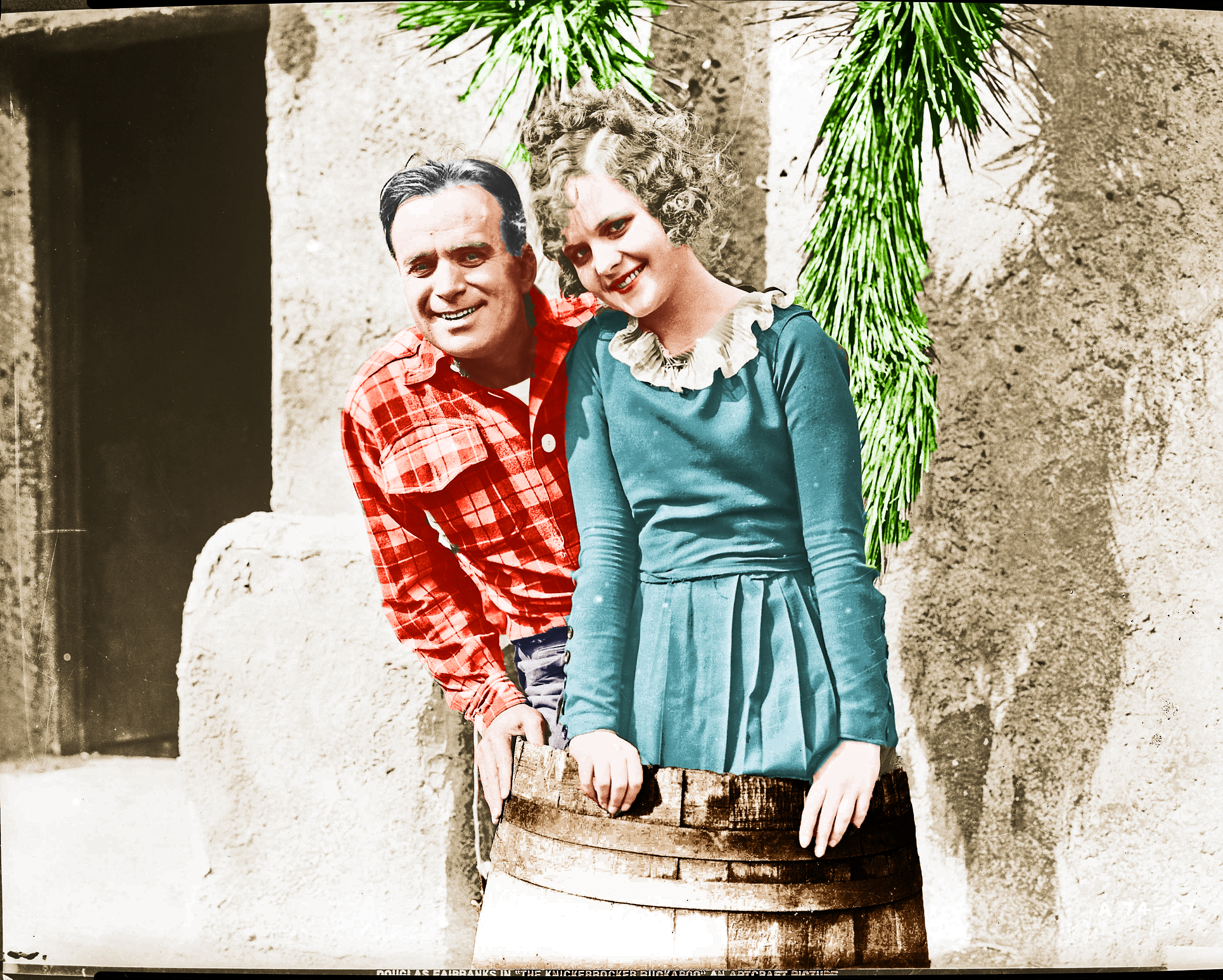
One of Doug’s earlier films, the now-lost KNICKERBOCKER BUCKAROO (1919) with Marjorie Daw:
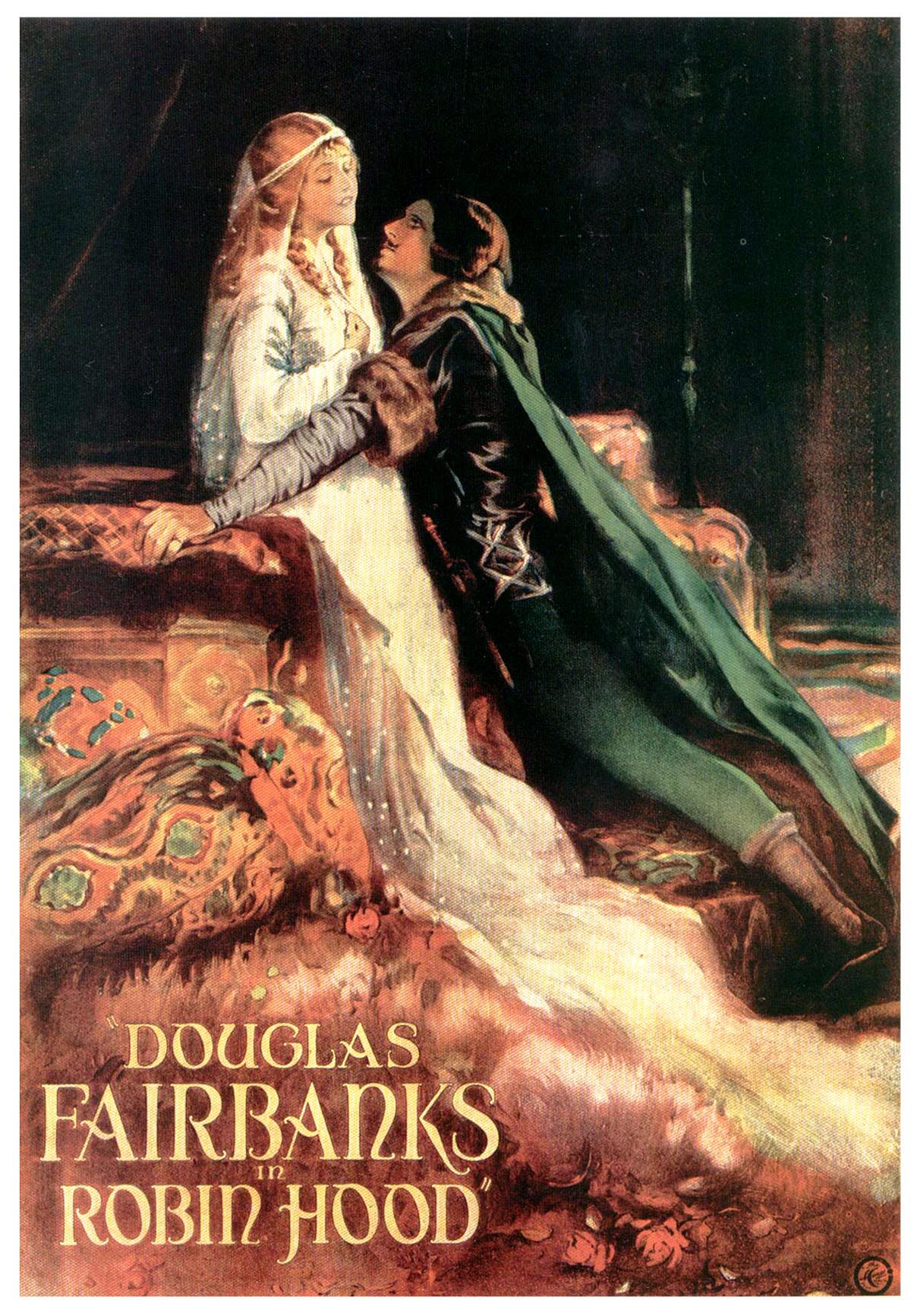
Doug Fairbanks literally invented the “action” film genre that remains extremely popular – think Jackie Chan. In 1922, Fairbanks began his most ambitious production yet, a swashbuckler chronicling the legends of Robin Hood. No, it wasn’t a primitive version of the later Errol Flynn film, but a fully developed saga of how the Earl of Huntingdon went from being one of the noble Knights of the Realm to the hunted outlaw Robin Hood rebelling against the unscrupulous Prince John. Fairbanks wanted his film to have the look and feel of old illuminated manuscripts that recalled the glorious Age of Chivalry – and he got it!
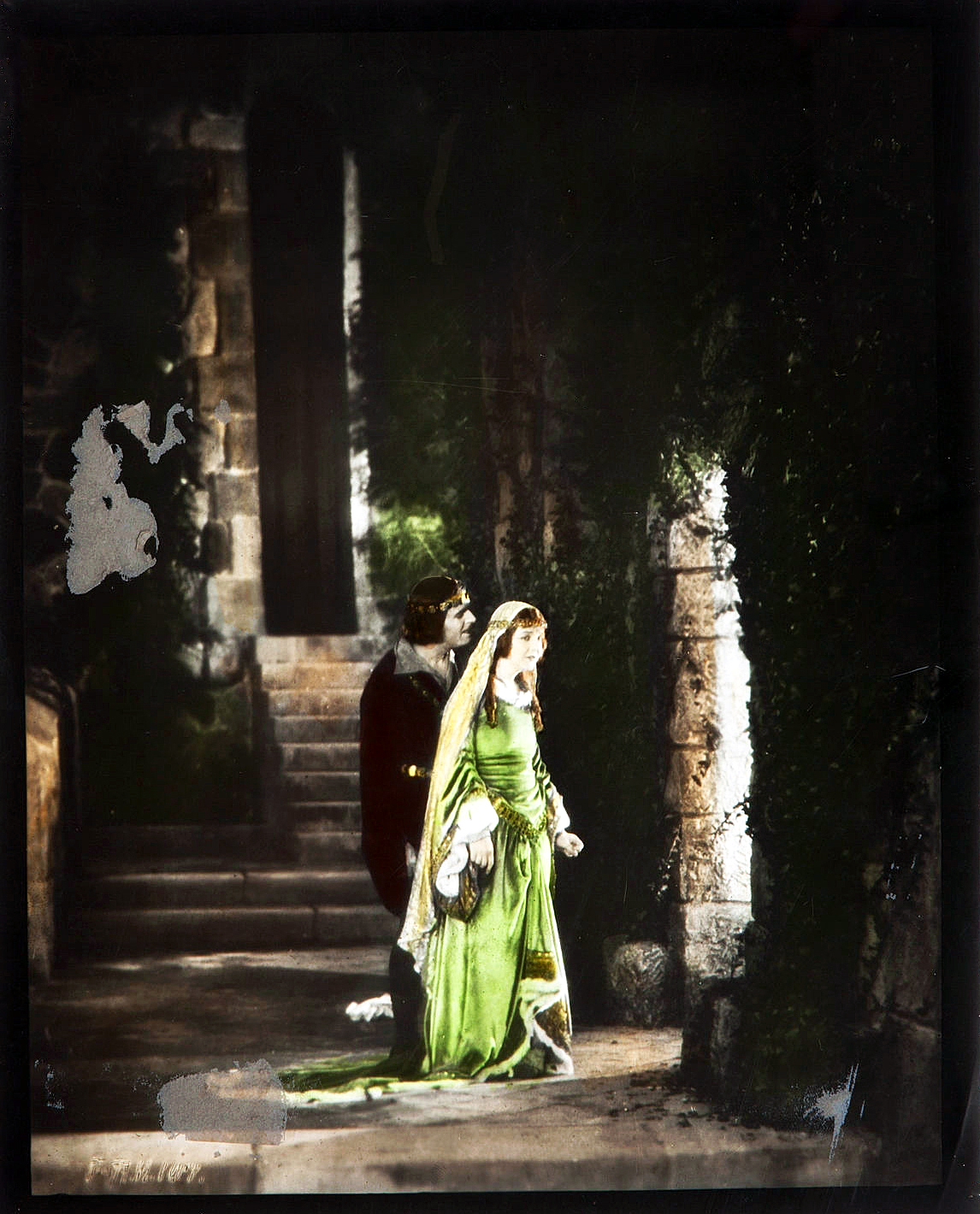
No expense was spared as Fairbanks literally built a full-scale castle on the studio lot. He recruited top art directors Wilfred Buckland and William Cameron Menzies, and costume designer Mitchell Leisen (later a major film director). This original color German transparency gives you a good idea of the magnificent sets:

A rare still with another view of the castle:

Robin Hood with Maid Marian, played by Enid Bennett – another German color transparency:
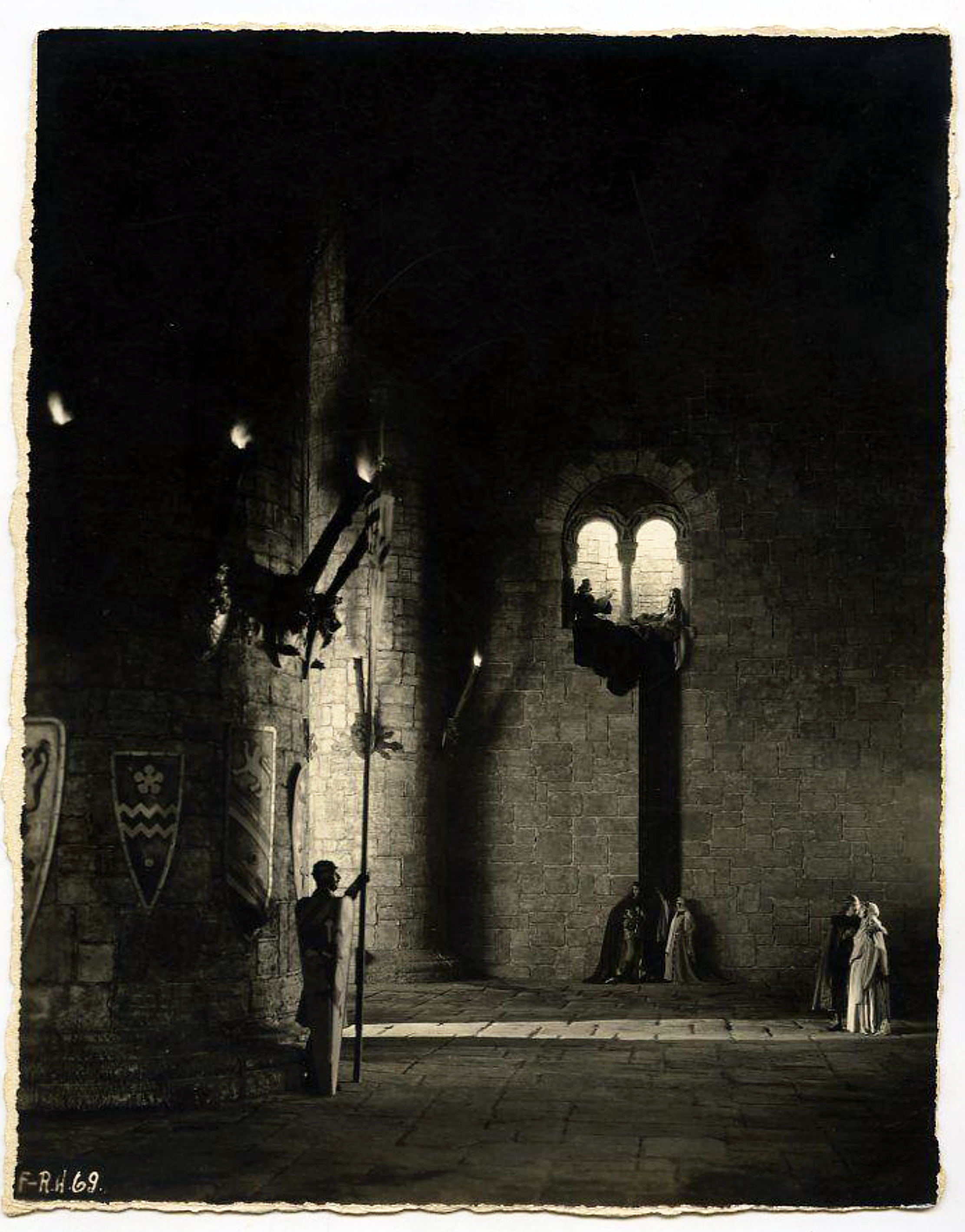
That castle set was huge!
Fencing expert Frank Cavens designed the sword stunts as he would for many later swashbucklers including the Flynn ROBIN HOOD:

Fairbanks as Robin Hood is the master of all he surveys:

Sheet music was published for playing the love theme at home on the piano:

Not to mention a book version of the film’s story:

In 1926, four years after the tremendous success of ROBIN HOOD, and two more epics, Doug was ready for a new challenge: he wanted to be the first major star to produce a film entirely in Technicolor. The result was THE BLACK PIRATE:

These are original color plates from the rare Photoplay Edition novelization of the screenplay:

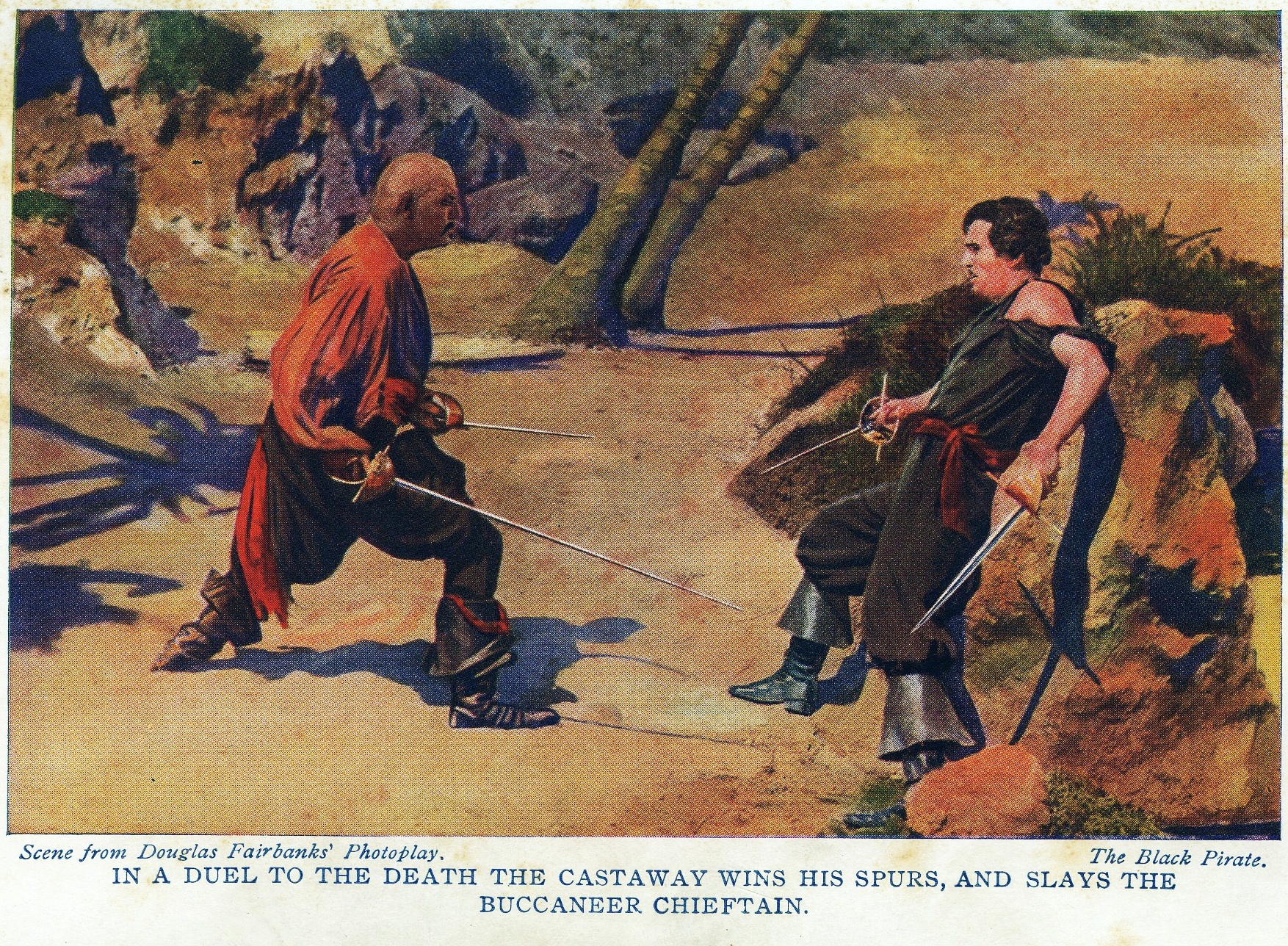

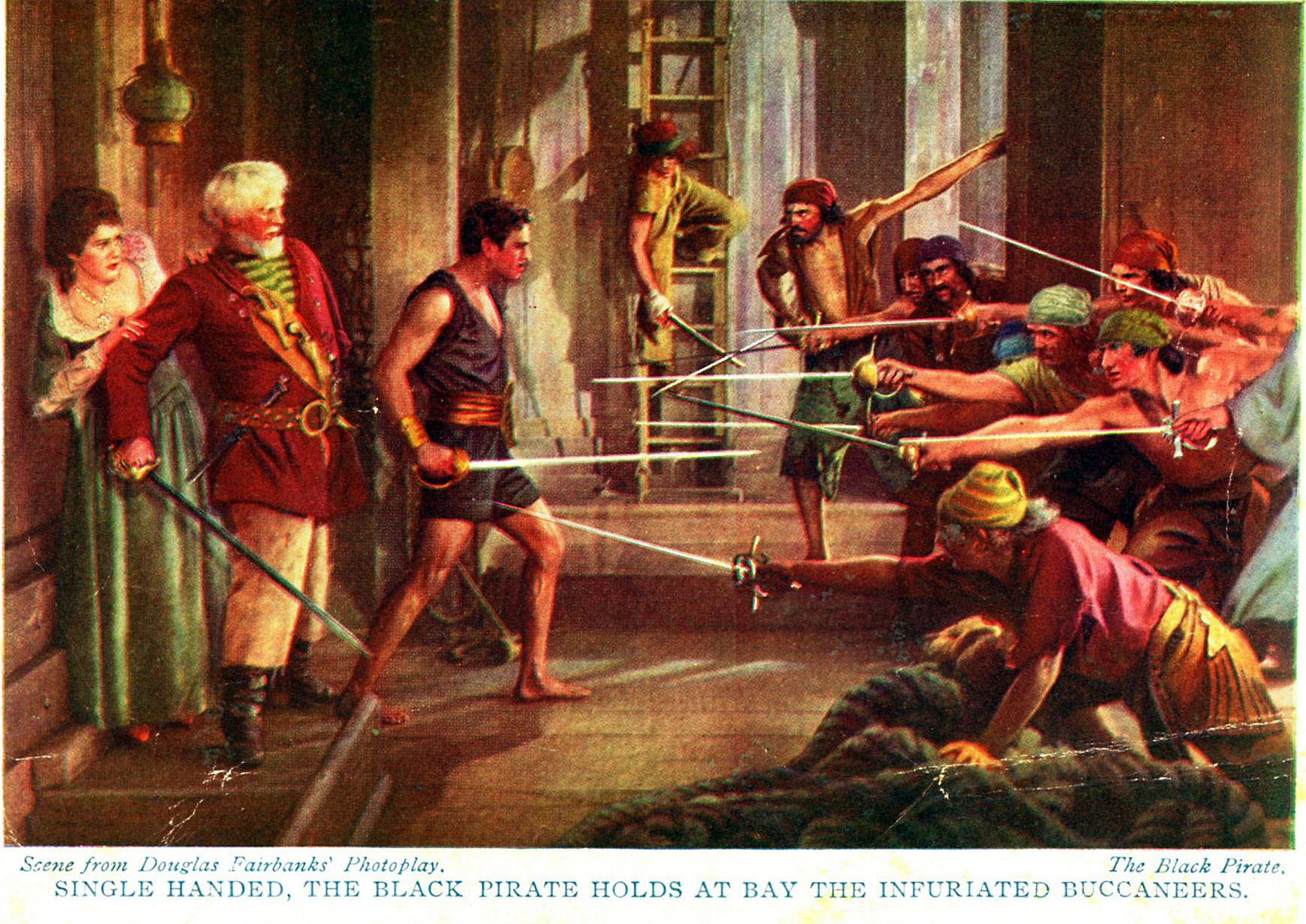
THE BLACK PIRATE has been restored to its original Technicolor brilliance and is available today on DVD and Blu-ray. Likewise, Douglas Fairbanks in ROBIN HOOD is restored and available on DVD. Both films can also be viewed on streaming video. Fairbanks would no doubt be pleased that his productions continue to delight viewers well into the 21st century!

















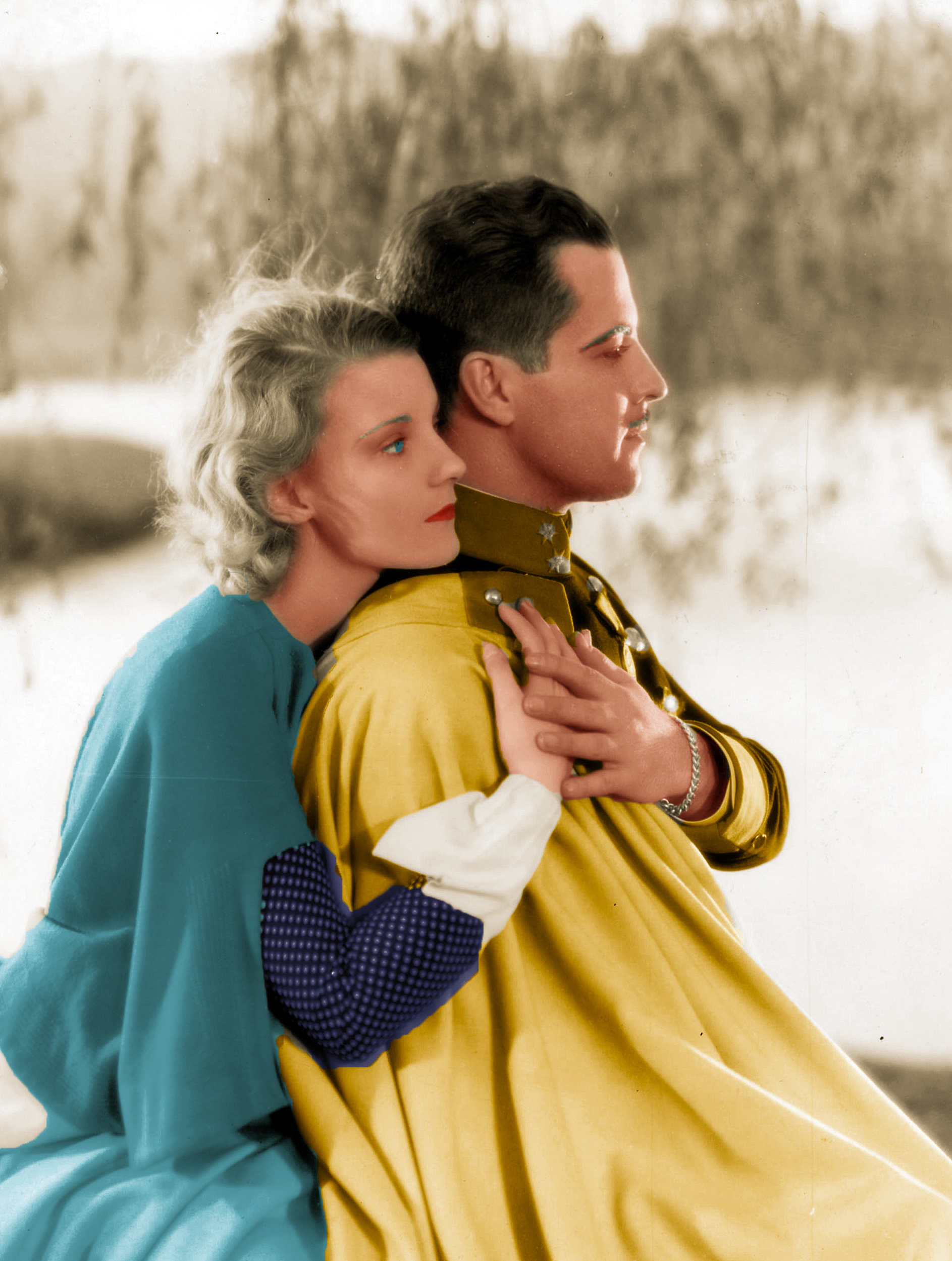
 OLD HOLLYWOOD IN COLOR